


Eccentric author Gaorou Iga connects with colors and the tone of the cello. "Art Museum for Your Ears #3"
The podcast "HERALBONY TONE FROM MUSEUM," focusing on contract artists of Heralbony, a welfare experimental unit launched this spring, presents "a museum for the ears."
Actress, filmmaker, and writer Sara Ogawa, along with Heralbony CEO Takaya Matsuda, act as hosts. Listening intently to the art, they delve into the personalities of the "exceptional artists" revealed through their works and explore their life stories.
In the third episode, exceptional artist Kaoru Iga was the guest. He was joined by his mother, Shoko Iga, and Heralbony Vice President Fumito Matsuda, Takaya's twin brother, for the discussion.
#BlueMemories
Takamaya Matsuda (hereafter, Takaya): Today we have with us a unique artist, Iga Moruo. Actually, Iga Moruo himself appeared in Heralbony's key visual this year, alongside musician Kan Sano and model Yuka Chiba!
Sara Ogawa (hereafter, Ogawa): It's so cool!
Takaya: They created such wonderful visuals for us. We're also using Mr. Iga's personal works in various products and commercial facilities.
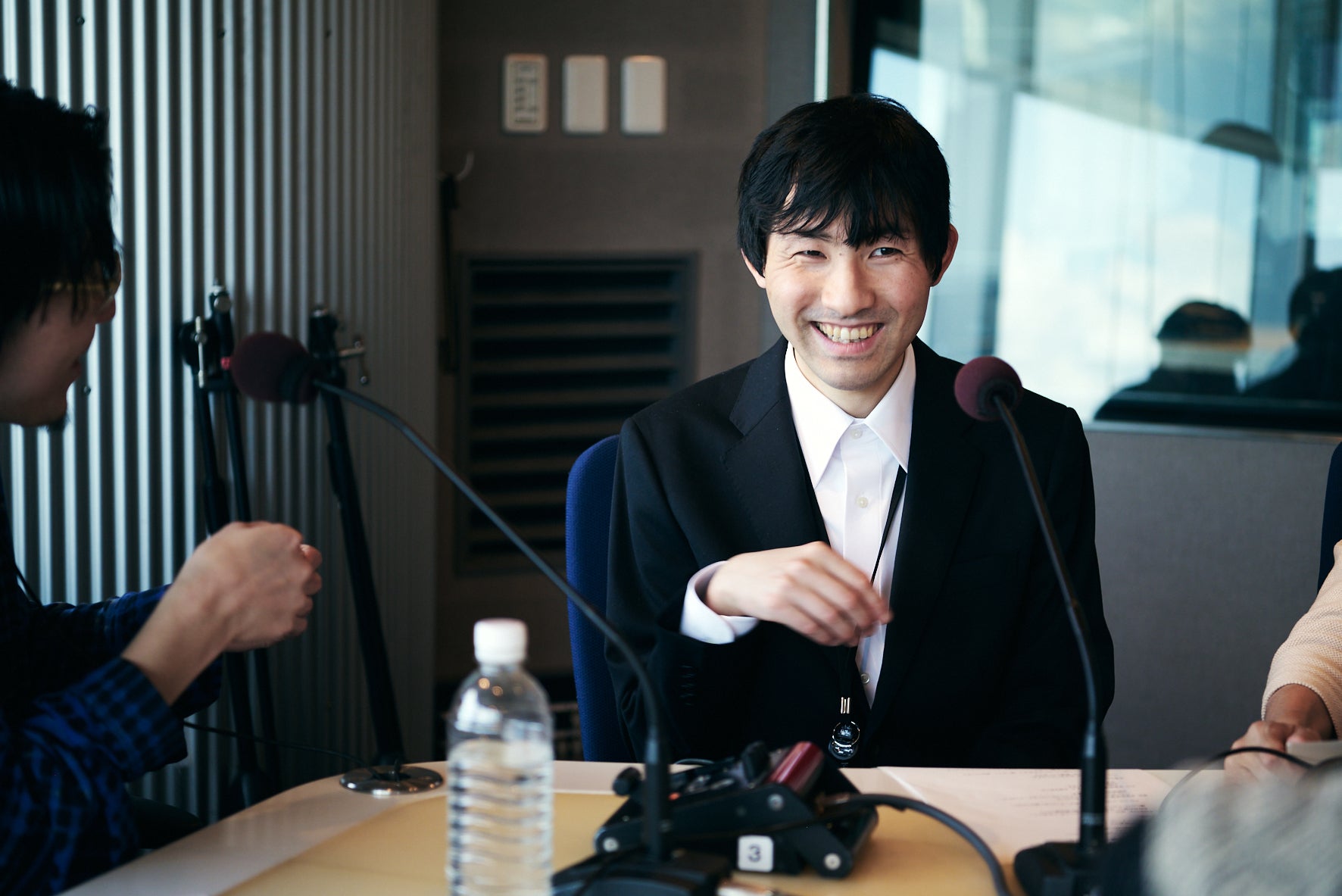
Ogawa: Today, we have Takeshi Iga himself and his mother, Shoko Iga, with us. Is this your first time on the radio? Takeshi, you don't seem too nervous, but how are you feeling today? Are you excited?
Takeshi: I'm excited.
Shoko: I'm very nervous, but Takeshi is always completely relaxed, so if you average us out, it's probably normal, I think.
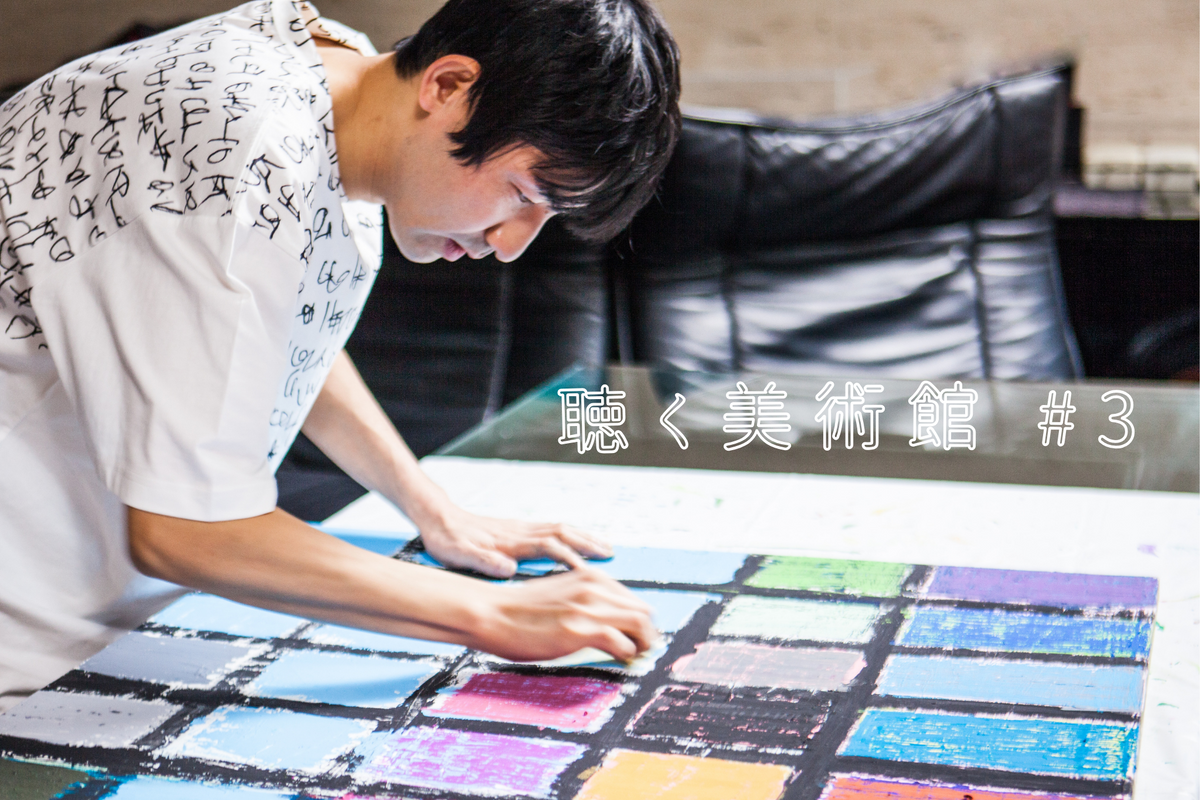
Takaya: We held a live painting event at the Shinjuku Takashimaya pop-up store before, and Takeshi was moving his brush at an incredible speed. At that time, he was also eating his bento at an amazing speed.
Shoko: He's fast at both eating and painting.
Ogawa: Takeshi, what's your favorite food?
Takeshi: ...Bento.
Ogawa: That's a broad answer!
Fumito: What do you like inside your bento?
Takeshi: (After a moment of thought) Shiitake mushrooms!
Ogawa: That's a refined taste! I love shiitake mushrooms too.
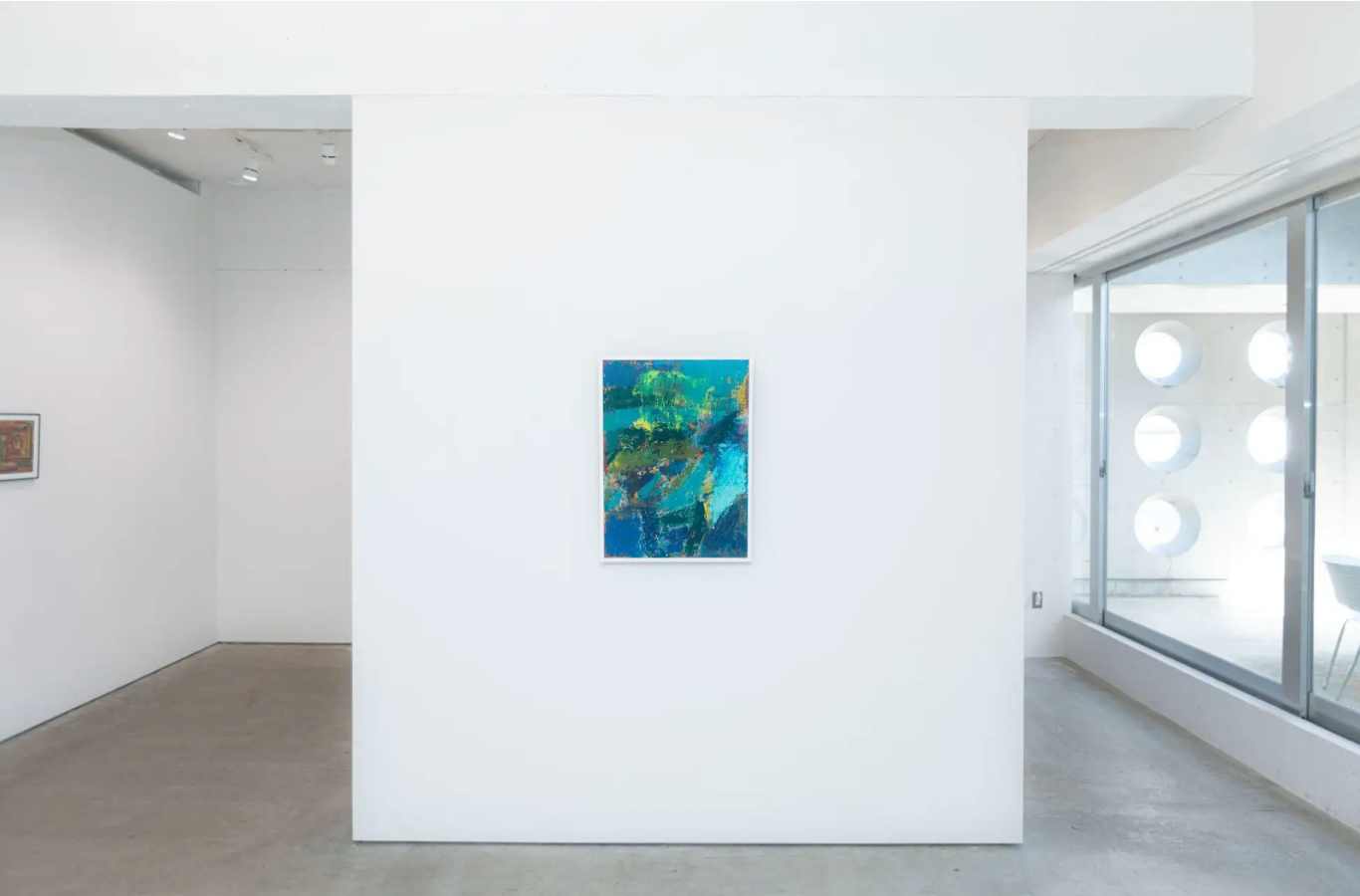
Kaoru Iga: "Memories of the Sea"
Takaya: Mr. Gamuo's work is characterized by its blue color. The colorful array of hues within the blue reminds me of various creatures swimming in the sea, making it a wonderful piece.
Bunto: We've had the pleasure of hosting solo exhibitions at the Heralbony Gallery in Morioka, and Mr. Gamuo's works also extensively adorn the walls of a commercial facility in Tachikawa.
Ogawa: I currently have photos of Mr. Iga's works "Memories of the Sea" and "Reef (blue)." Not only is the depth of the blue striking, but there are also specks of yellow and red layered on top. Do you enjoy layering colors?
Gamuo: Yes, I do.
Ogawa: From what I've heard, you've always liked layering colors, even to the point where they would become gray. But now, this blue color has become a wonderful work of art.
Sachiko: I attend welfare facilities and art classes, where I create with others and look at their paintings, and gradually I've stopped "destroying" colors. And the teachers also speak to me at just the right moments, so I wonder if I've started to understand?
Kaoru: Yes.
Takaya: What made Kaoru start drawing?
Sachiko: Ever since he was a toddler, he loved drawing so much that he would scribble all over the house. I wished he would draw on paper, but he never stuck to paper, and drew on walls, floors, and even ceilings. He would climb up everywhere to draw.
Ogawa: What did you do, as his mother?
Sachiko: I couldn't stop him. He was drawing all the time, and when I talked about it at therapy facilities, they said it was either a fixation or a sign of concentration, so I didn't really know what to do. I just had to let it be.
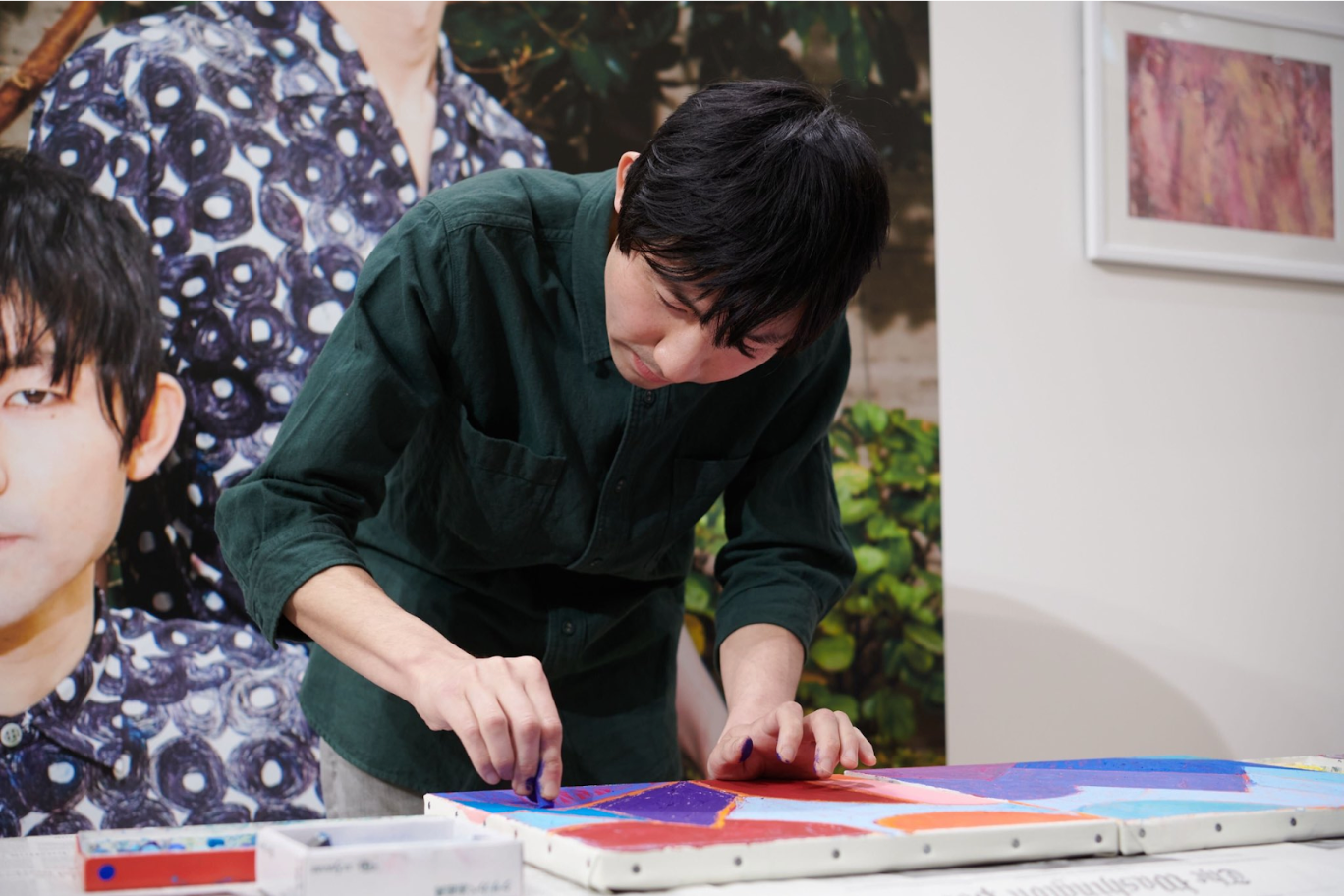
Ogawa: But all those powerful drawings are now being made into merchandise and wall art by Heralbony, right? How did you feel the first time you saw that?
Shoko-san: Gaoru produces a lot of work very quickly, but opportunities for many people to see his paintings are very limited. Even if he has an exhibition, people can only see it during that period. However, when his work is reborn into different products like this, I really feel that a lot of people can pick them up, and I'm very happy about that.
Fumito: What does Gaoru-san himself think?
Gaoru-san: ……
Shoko-san: He's not the type to show much emotion, but he seems to be enjoying the atmosphere here.
Takaya: He's laughing joyfully, like a child.
# Encountering the Cello
Ogawa: Do you like to draw, Kaoru-san?
Kaoru-san: Yes.
Fumito: That was a quick answer!
Ogawa: Do you spend a lot of time drawing each day?
Shoko-san: Since leaving school, he's been attending a facility, so no, perhaps not as much as before. Maybe just on weekends. After all, cello practice is essential.
Ogawa: That's right! Kaoru-san plays the cello, doesn't he?
Kaoru-san: Yes. (Gestures playing the cello)
Takaya: At Heralbony, we actually asked him to perform the cello at last year's entrance ceremony. I think it was an unforgettable experience for the new employees.
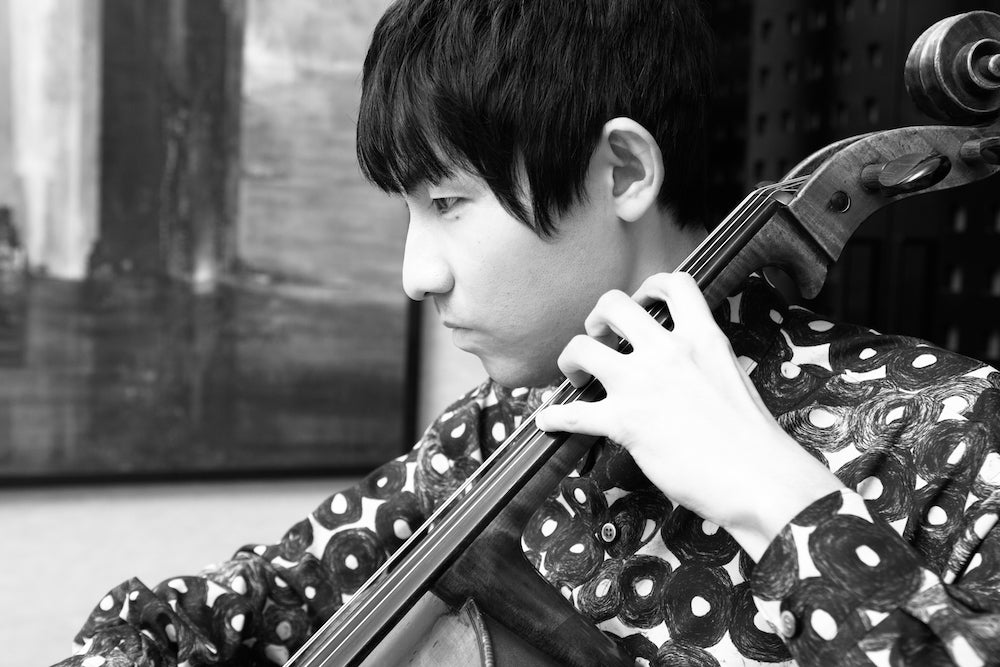
Ogawa: So you've been playing the cello for 20 years now. How did you first get into music?
Taoru-san: (Nods, looking very pleased)
Shoko-san: I started practicing singing as a way to practice speaking. Whether it was a good thing or a bad thing, gradually he started making all sorts of sounds endlessly, not just singing, and it was really tough on the family. I thought that a child who couldn't have conversations making so many sounds must be releasing stress, but when we went out, I always found myself saying, "Please be quiet." I often wondered if I wasn't a good parent.
Fumito: That's not true. Not at all.
Shoko-san: There was a choir club in high school, and I thought he could make all the sounds he wanted there, so I enrolled him. Then, his repertoire increased, and he started singing even more (laughs).
Takaya: Ahhh (laughs)
Shoko-san: And I had always wanted him to play an instrument, and a friend of mine suggested, "If you're going to do music, the cello would be good."
Ogawa: So then, Taoru-san himself got hooked, right?
Taoru-san: Mm-mm-mm. (Humming)
Fumito: Oh, he's singing even now.
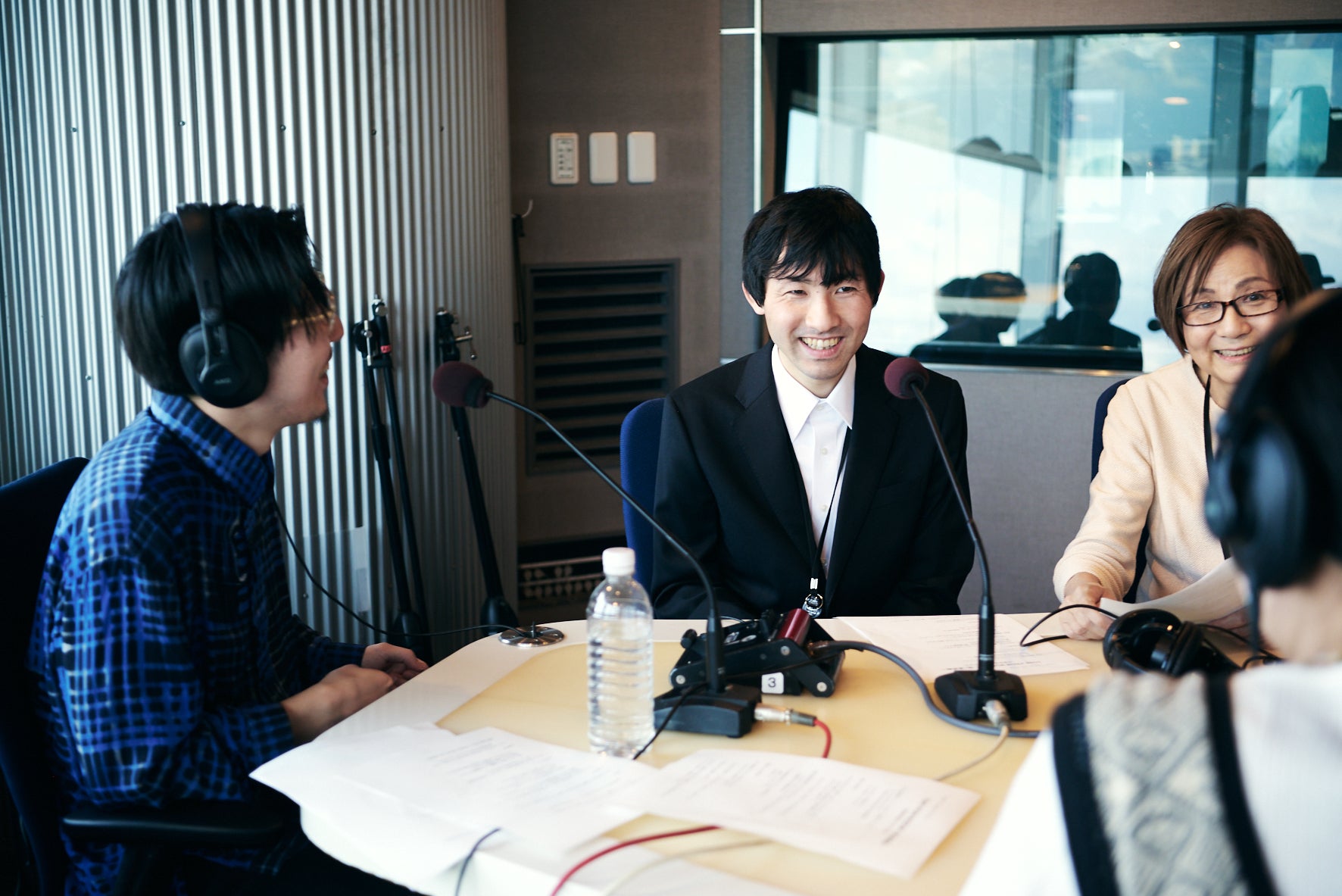
Ogawa: As you watched Takeo grow, did anything change within you as a mother, or did you reflect on anything?
Sachiko: Normally, I would have thought that after raising children, a parent's life would settle down, and their social circle would gradually shrink. However, through my encounter with Heralbony, I've been able to talk with young people, and we often discuss how it's been a great learning experience in terms of understanding society.
# Our next challenge... "soba"?!
Ogawa: How are Kaoru Iga's works being showcased at Heralbony?
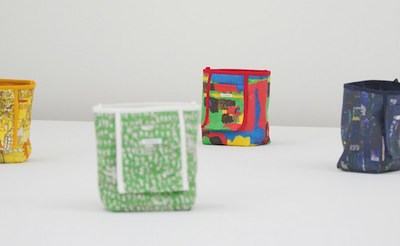
Takaya: We're showcasing her works in various forms. We sell original paintings, and right now, the "Leaf (blue)" piece is very popular as a stole. In fact, I bought one myself and wear it often. Also, they're displayed in commercial facilities, and I think many people enjoy them as part of their everyday scenery.
Ogawa: The blue world that Gaoru-san depicts would be perfect for the upcoming rainy season, wouldn't it? Gaoru-san, what kind of work would you like to do next?
Gaoru-san: ..........
.........Chasoba!
Takaya: Zaru soba*, huh! What an innovative job to be asked to do! (laughs) Actually, our big brother also loves zaru soba.
Fumito: That's right. He has to eat soba every Sunday, without fail.
Takaya: A soba job, huh. A zaru soba choko, that might actually be good. I'll do my best.
Ogawa: The possibilities are endless.
Fumito: Yes, you're really expanding our horizons! We would never have come up with zaru soba with our own ideas. Thank you.
*To convey the atmosphere of the scene, the audio is transcribed as is. Mr. Iga himself reportedly said "chasoba."
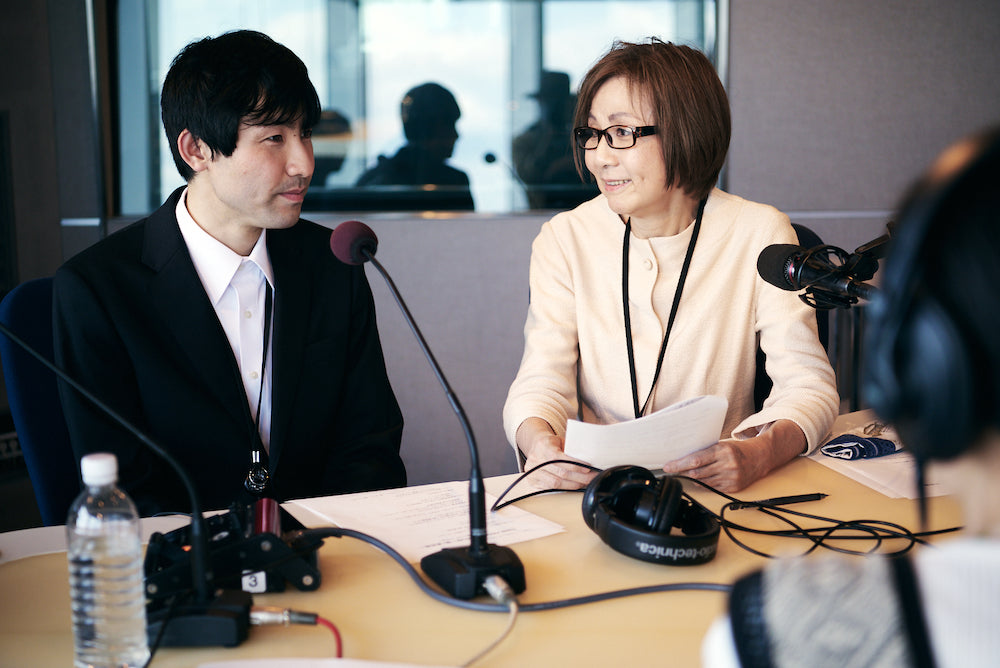
Ogawa: Finally, what are your hopes as a mother for Kaoru-san's life?
Shoko-san: When Kaoru was little, I was very worried about how autistic children would live their lives as adults. Unlike now, back then there was very little information available.
I was always curious about how autistic adults were living their lives. But with the development of the internet, various people with disabilities are now being featured, aren't they?
I feel that society has changed, and we've become able to acknowledge the existence of such people and share their stories. So, I think if disabled individuals actively go out into society, the general public will also get used to it.
What Heralbony is doing is directly connected to that, and I hope they will continue to advance with their unique ideas. In Kaoru's case, I hope that through music, he will continue to meet various people, communicate and empathize with them, and accumulate many such opportunities and experiences.
Ogawa: Thank you! Kaoru-san, how was it coming to the radio today?
Kaoru-san: It was fun.
(Everyone applauds)
Ogawa: I also had a very enjoyable time. I had seen Kaoru-san's work, but being able to meet him in person and hear the stories from his mother, who is with him, was truly a valuable experience. Thank you very much.
text Chise Akasaka / photo Jozo Suzuki
Kaoru Iga
Iga Aoru / Individual (Tokyo)
Born in Tokyo in 1988, Aoru Iga began exhibiting his work at Art Brut Tachikawa in 2015 and has since presented new works every year. Due to autism, he struggles with conversation, but he loves people and has no hesitation in meeting new people. He also loves music and has been learning the cello for 20 years.

Podcast "HERALBONY TONE FROM MUSEUM: An Audio Museum" Now Available for Free Streaming
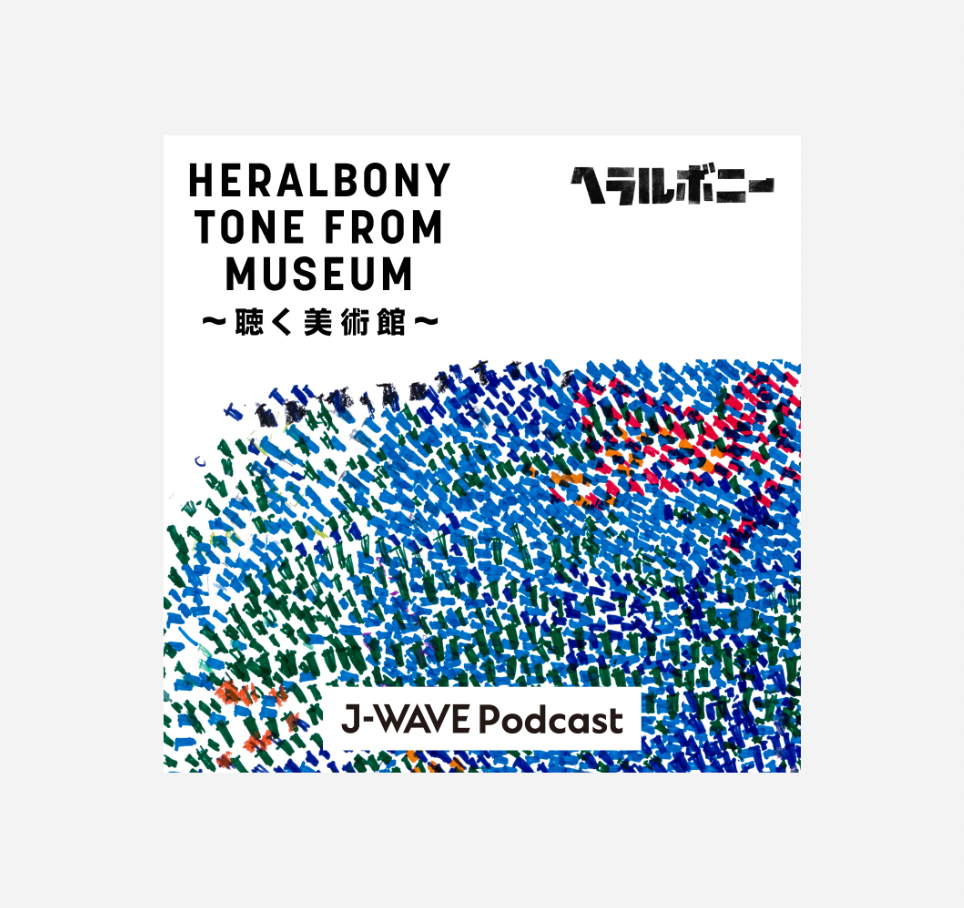
This program, based on the concept of "The History of Unique Artists Imagined from Their Art," delves into the personalities and life stories of "unique artists" as seen through their artworks, while listening carefully to the art itself.
The show is hosted by Sara Ogawa, an actress, filmmaker, and writer, and Takaya Matsuda, CEO of Heralbony. Each episode features one Heralbony contracted artist, with the artist themselves, their family, and representatives from their welfare facility invited as guests.
New episodes are released every Sunday on Apple Podcast, Google Podcast, Spotify, and Amazon Music.
You can also enjoy past episodes for free.