
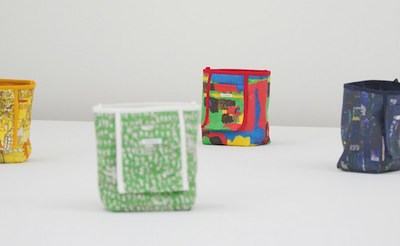

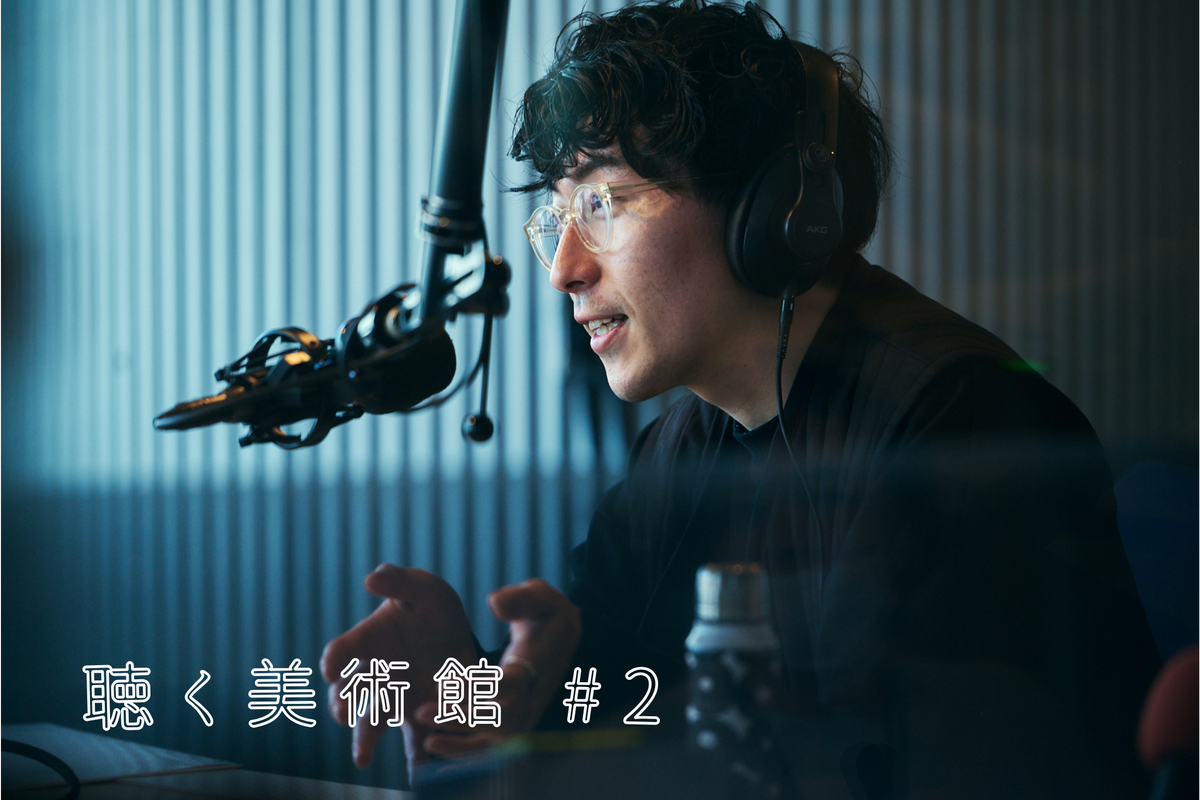

We aim for a future where the meaning of "Her Labo Née" expands. "The Museum You Can Hear #2"
“HERALBONY TONE FROM MUSEUM ~The Listening Museum~” is a podcast that focuses on the contracted artists of Heralbony, a welfare experiment unit that started this spring.
Hosted by Sara Ogawa, an actress, filmmaker, and writer, and Takaya Matsuda, CEO of Heralbony, the podcast listens to art and delves into the personality and life story of a unique artist that emerges from their work.
In the second episode, following on from the previous one, Takaya talks about Heralbony before its founding with his twin brother Fumito, and the future they aim to create.
#MyOfficeWorkerDays
Sara Ogawa (hereinafter, Ogawa): I understand that Mr. Takaya is usually in Tokyo and Mr. Fumiaki is in Iwate. How do you normally work together?
Takaya Matsuda (hereinafter, Takaya): It's easy to do a lot of things online now, so we often separate things, with Fumiaki acting as the representative in Iwate.
Ogawa: I imagine you collaborate with various companies in Tokyo a lot, but your head office is in Iwate, right?
Fumiaki: That's right. Herlabony started from the Rinnbai-ji Museum in Hanamaki, and I strongly wanted to remember that origin and identity, so we've kept our head office in Iwate.
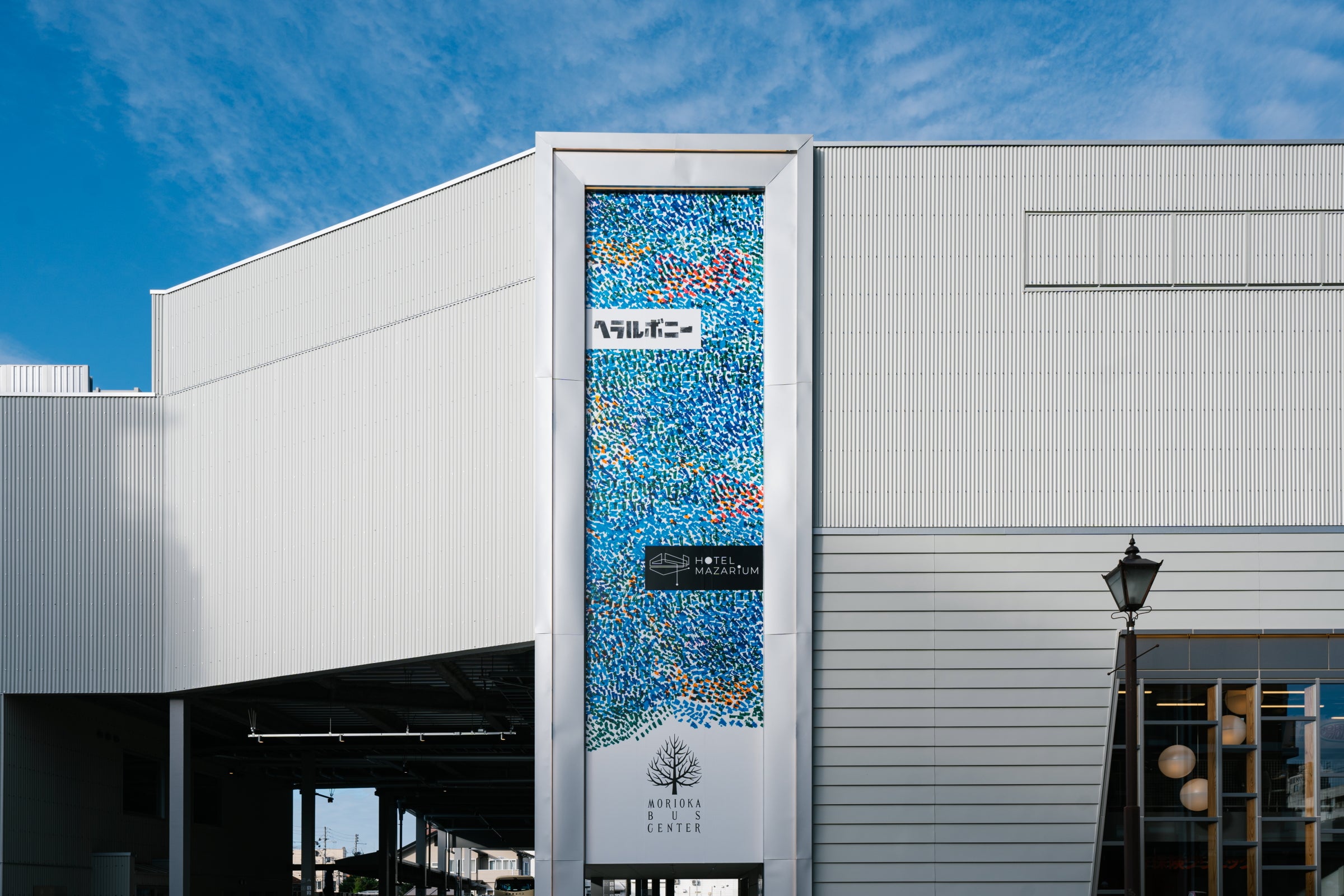
Takaya: In Iwate, we have "HOTEL MAZARIUM," which Herlabony art-produces. It's a truly wonderful hotel. We also have a Herlabony gallery, we've opened stores in department stores, vending machines feature Herlabony art, and we've even designed the uniforms for Iwate's basketball team.
Ogawa: Oh!
Takaya: We're expanding to Tokyo while maintaining our base in Iwate.
Ogawa: I see. Last time, you mentioned that your visit to the Rumbini Art Museum in Iwate Prefecture was the catalyst for starting your business, but before that, you both had different jobs, right?
Takaya: That's right. I used to work at an advertising planning company called "Orange and Partners." I worked for Kundo Koyama, the creator of "Kumamon." Actually, Mr. Koyama sometimes hosted programs on J-WAVE, so back then, as someone from the agency side, I visited here several times. The fact that I'm now speaking here myself is truly deeply moving.
Ogawa: I see. How about Fumito?
Fumito: I used to work for a general contractor, so I wore a suit every day and worked in residential sales.
Ogawa: That's completely different from what you do now! But those sales skills and abilities must be incredibly useful now, aren't they? Starting a company and spreading the word is a tough job.
Fumito: Maybe so. We both worked as company employees for four years before starting our business, and one thing I can definitely say is that if we had started a business right after university, it definitely wouldn't have worked out. I think there were many times when my skills as an employee came in handy.
# The Moment Heralbony Was Born
Ogawa: I heard that Heralbony originally started from a predecessor brand called "MUKU."
Takaya: That's right. We're 31 now, but we started "MUKU" when we were around 25 to 27. We started it as a side business with fellow creators.
Fumito: That's right.
Takaya: At the time, I really wanted to create my own work, but at the company, there were creative directors and art directors, so I couldn't really put out anything that was "my own." So, through the brand "MUKU," we decided to put out a lot of things ourselves, and we launched it with close video creators and friends.
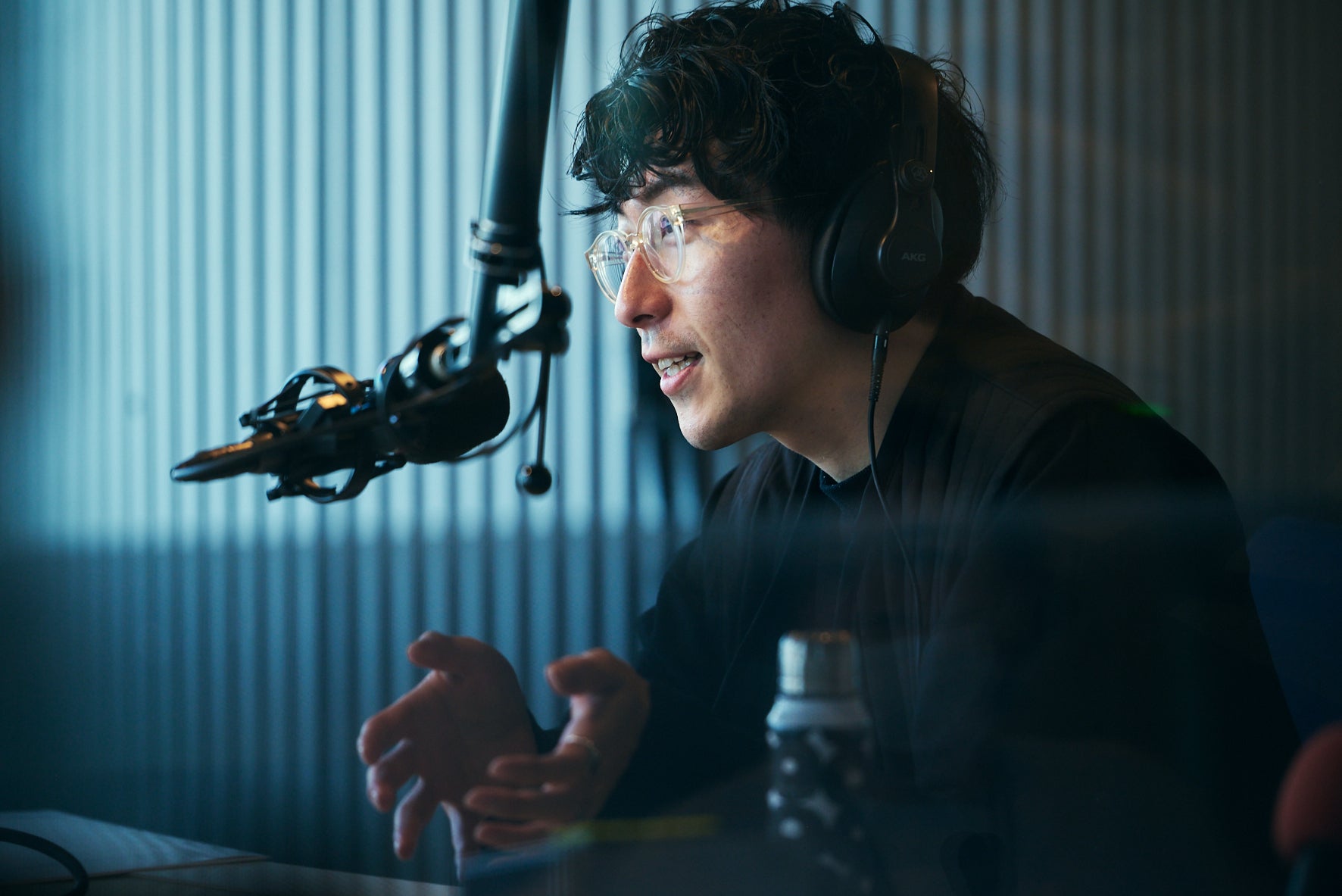
Ogawa: What was it like when "MUKU" first started?
Takaya: It was exciting, wasn't it? We had Skype meetings every single morning.
Bunto: Yeah, yeah.
We started with excitement as our foundation, so we didn't begin with the idea of "let's aim for this kind of world." We were moved by the artwork of people with disabilities, but when we searched online, we felt uncomfortable with the current situation where they were only viewed through the lens of social contribution. So, when we thought about how to bring their work to society in a better way, we started with ties.
Ogawa: So you started by making ties. In the fashion industry, I imagine there were other options like socks or jackets, but was there a particular reason you began with ties?
Takaya: It wasn't about whether they would sell or not; we first thought about what kind of item would be incredibly moving if we applied such amazing artwork to it. Then, we thought it would be incredibly cool if we could develop items that reconstructed the artwork in silk, through weaving rather than printing. So, we figured ties would be a good choice if we were going to work with silk and weaving.
Bunto: We wanted to pay homage to their wonderful artwork through the form of "expressing art with silk and weaving." We decided to start with the concept of creating products that transcend art, through our respect for them. However, when we actually tried to make them, other companies told us, "You're trying to do something incredibly difficult." It wasn't about company sales; it was simply difficult to express the intricate touches of people with disabilities through silk weaving in the first place.
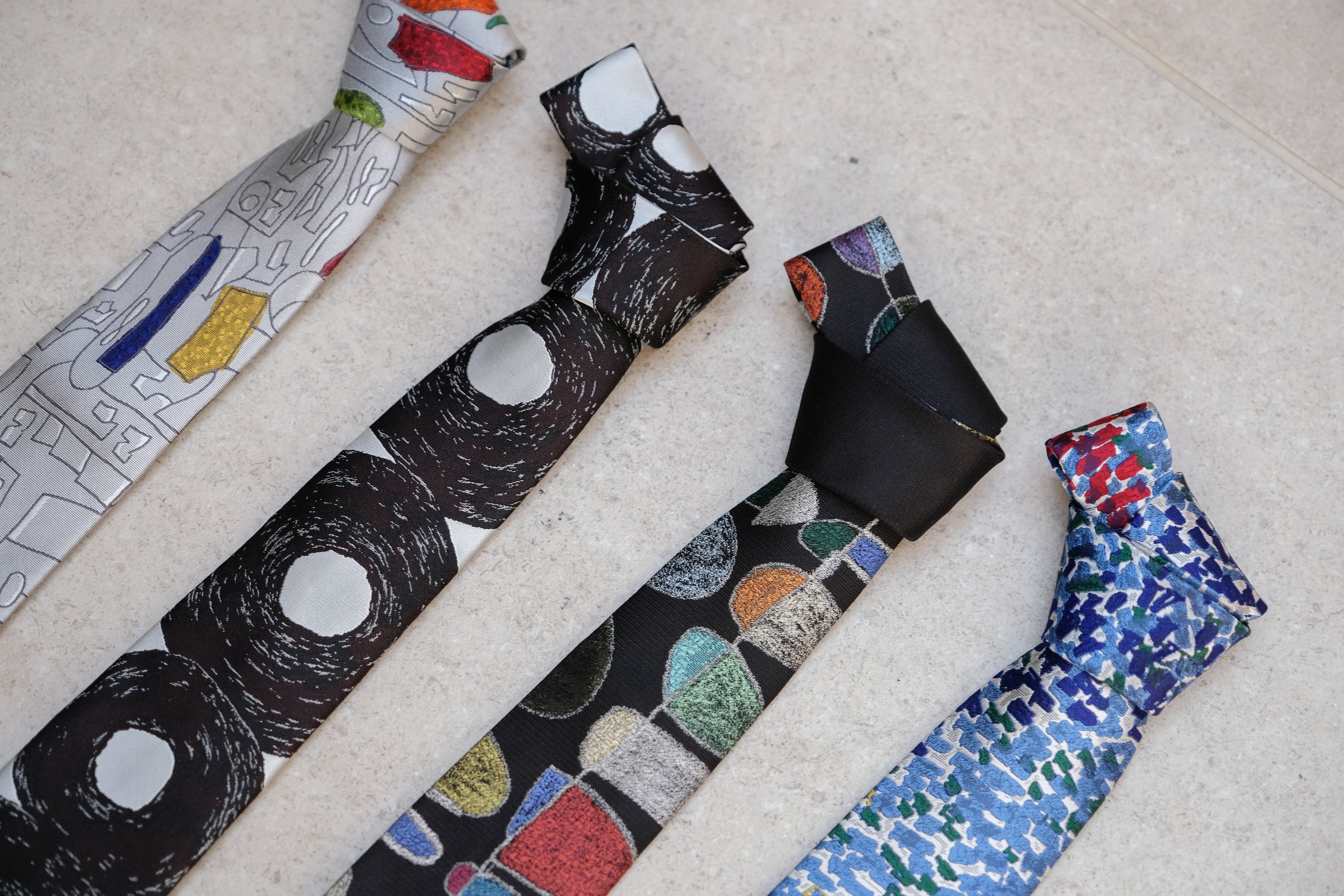
Bunto: So, when I asked, "Which manufacturer can do it?" they told me that "Ginza Taya" might be a possibility. Driven by a sense of mission that I absolutely had to make it happen, I visited their workshop in Yonezawa, Yamagata Prefecture, and pleaded with them to make it.
Takaya: And then I took the project proposal to Takashi Itagaki, who is also someone who changed my life. He's the curator at the Ryo-un-ji Art Museum in Iwate, and he said, "I'd like to work with you."
Ogawa: By the way, what's the specific process for contracting?
Takaya: I select the artworks together with Hiromi Kurosawa, the Chief Curator of the 21st Century Museum of Contemporary Art, Kanazawa. After that, we actually meet with the individuals themselves, their parents, or welfare facility staff, and proceed while confirming their intentions. We place great importance on the process of confirming whether the individuals truly want to do it, and when collaborating with companies, we always go through the artist and welfare facility for confirmation.
Ogawa: You really pay meticulous attention to that aspect.
Takaya: That's right. In that sense, we believe it's important not to buy out the copyright but to attribute it to the artist. For example, we could pay the artist hundreds of thousands of yen initially and manage the copyright ourselves, spreading it widely through agencies. That might be profitable as a business, but we wouldn't be able to go through the process of sharing values and moving forward together with the artists and their parents. We strongly believe that we don't want to just support them; we want to be their companions, and conversely, we also want to be supported.
Ogawa: I see.
Takaya: How happy are the artists really? How much do their families want this? That's what's truly important; money is merely a result of sorts. Sorry, I got a bit long-winded!
Bunto: We need to talk about this properly.
Ogawa: Yes, it was very interesting! From there, "MUKU" was born, and when did Heralbony come into being?
Takaya: Around the second year of "MUKU," I started to realize more and more that this is what I wanted to do. When NHK featured "MUKU" on TV, I received a message from a mother who was pregnant with a child with Down syndrome. She said, "I was so lost, but I decided to give birth." Immediately after that, the ties started selling like crazy. I felt like the demand and my desired activities aligned perfectly. So, I suddenly decided to start Heralbony, called Bunto in the middle of the night, and I vividly remember saying, "I've decided to quit my company. You quit too."
Bunto: Yeah, I remember that.
Takaya: So, I feel a responsibility as Heralbony for that mother's decision to give birth, and as Heralbony, I want to create an environment where that child can live a happier life.
#Heralbony: The Art of Creation
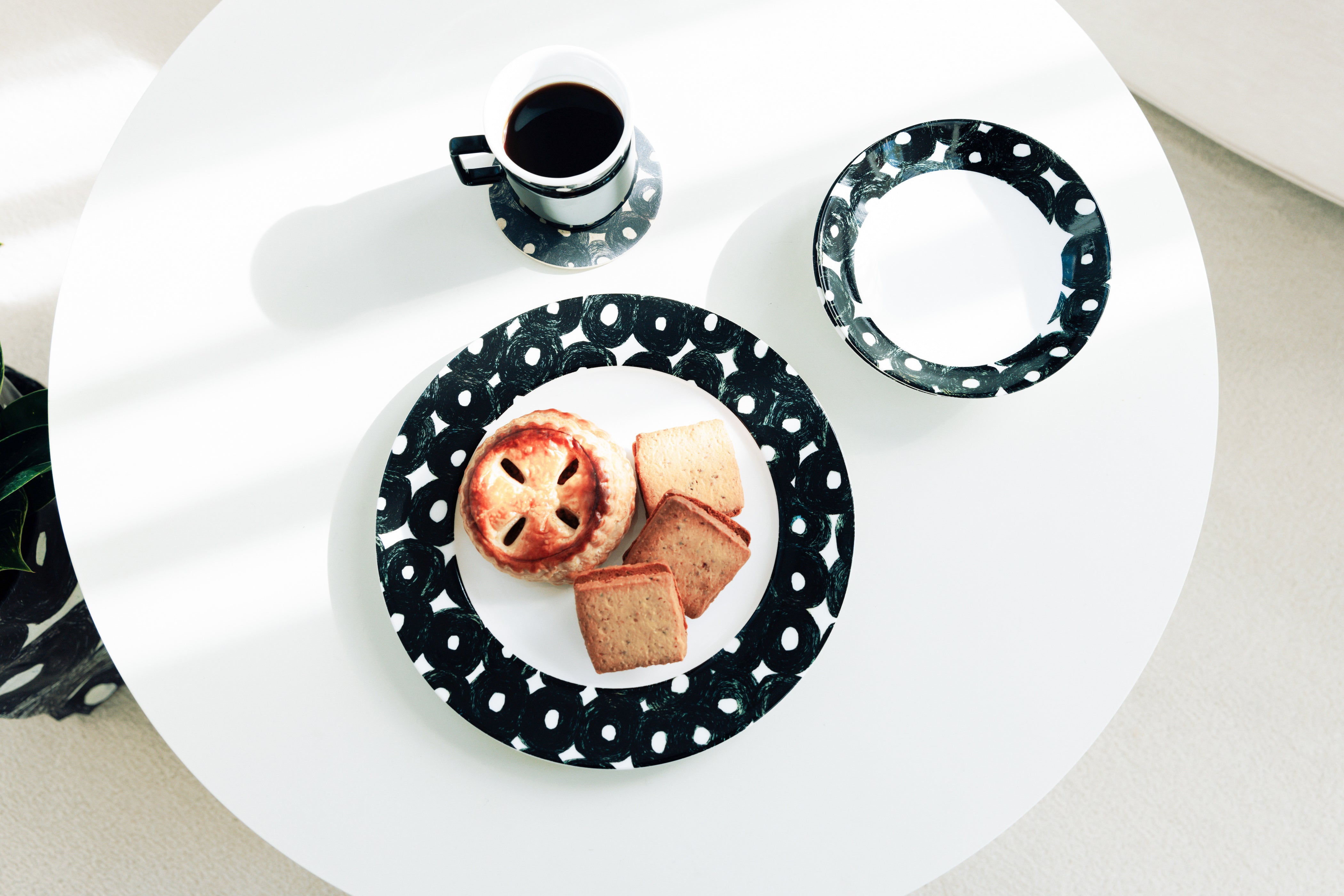
Ogawa: I understand that the Heralbony brand has been further strengthened since the opening of its first store at Kawatokyu Department Store in Morioka City, Iwate Prefecture in August 2020. You started with ties, and now your products range widely, including interiors and miscellaneous goods. And each one of them is of high quality, aren't they?
Takaya: We truly value delivering our products to society in the best possible way. Art by people with disabilities tends to be viewed with prejudice, so we want people to feel that what they bought from Heralbony was truly wonderful. That's why we are particular about the craftsmanship itself.
Ogawa: How many artists are currently under contract?
Takaya: As of July 2022, we have contracts with 153 artists. Most of them are artists with intellectual disabilities, but recently we also have artists living in the US and Thailand.
Ogawa: That's amazing! How have the artists themselves and their parents reacted?
Bunto: We receive a daily shower of loving letters from parents and welfare facility staff, and one of them that I particularly remember said, "Until now, I felt that my son was just a burden on society, but for the first time, I felt proud of him." Heralbony operates in prime locations like Ginza and Osaka, and people who see the artwork think it's beautiful, which then leads to purchases. So, I believe that people with disabilities can see a different landscape than they've seen before. I would be happy if Heralbony could create a positive cycle where artists with intellectual disabilities can live more easily in their communities.
# The Expanding Meaning of the Word "Herullabony"
Ogawa: What are some things you'd like to do as Heralbony in the future, or what's your vision?
Mundou: Heralbony's mission is "Unleash Your Unique Colors," and I think this "unique colors" will evolve to have a much broader meaning. It won't just be unique colors specific to art, but maybe it will include people with physical disabilities, or food, or sports. I want Heralbony to be a company that transforms into a state where various unique colors are unleashed.
Ogawa: What about you, Takaya?
Takaya: I hope for a society where the word "Heralbony" can be mentally translated to mean "anyone can participate." If that happened, and you saw "Heralbony Swimming School," you'd know that anyone can attend. My brother, for instance, has been turned away from lessons because of his autism. I hope that "Heralbony" can go beyond just art by people with disabilities and expand to mean a world where everyone can participate.
Mundou: How many years until then?
Takaya: The goal is 20 years! We also want to create a radio station that can rival J-WAVE (laughs).
Ogawa: You'll be rivals before you know it (laughs)!
Takaya: No, no, I'd still like to work together (laughs).
Ogawa: But really, that's wonderful. The word "Heralbony," which initially had no meaning in your brother's sketchbook, became the company's name, and now it might become an even broader concept.
Takaya: I hope so.
Mundou: It would be great if we could build this together with everyone listening.
Ogawa: From next time, we'll be delving deeper with the artists themselves! I'm really looking forward to finally meeting the artists.
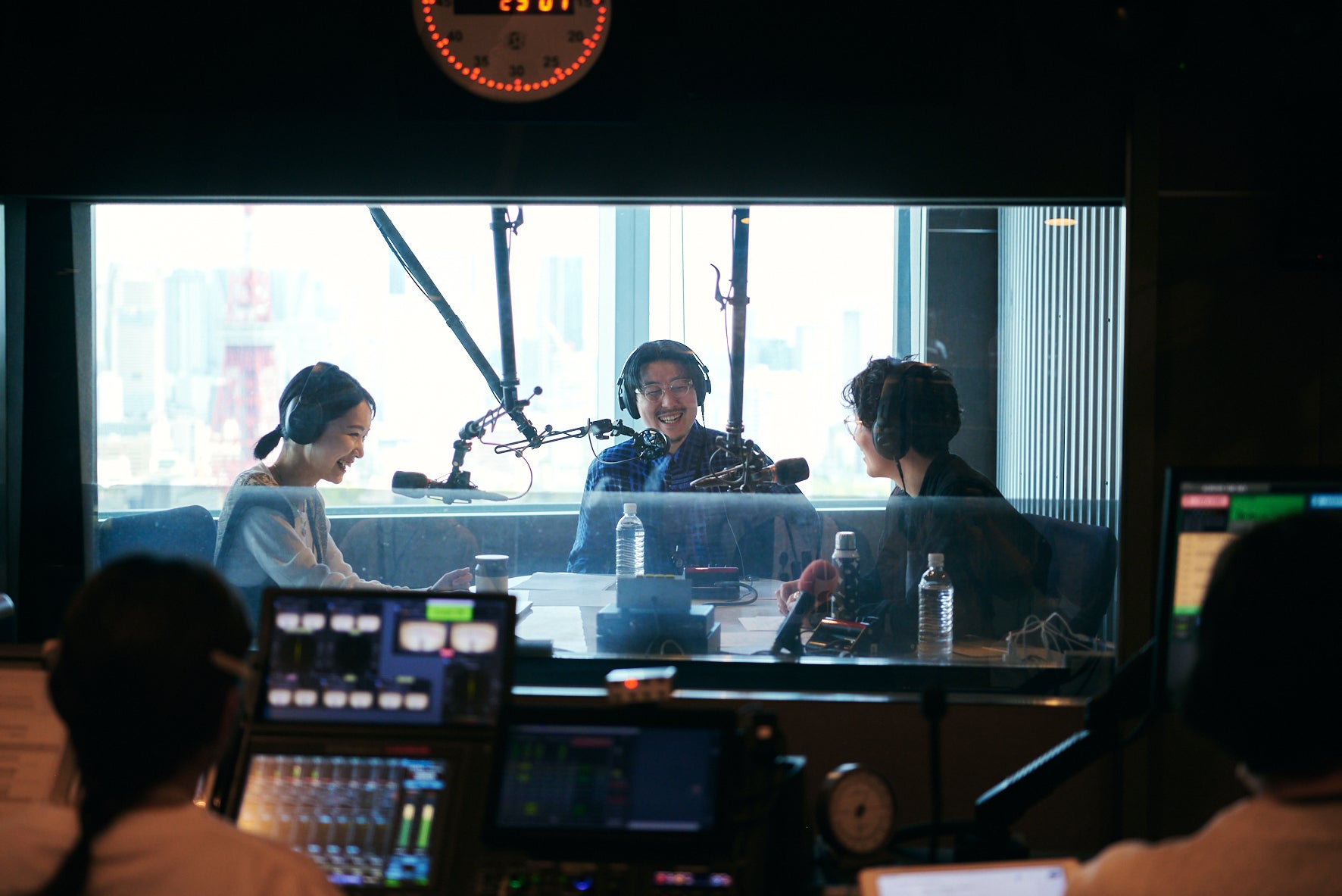
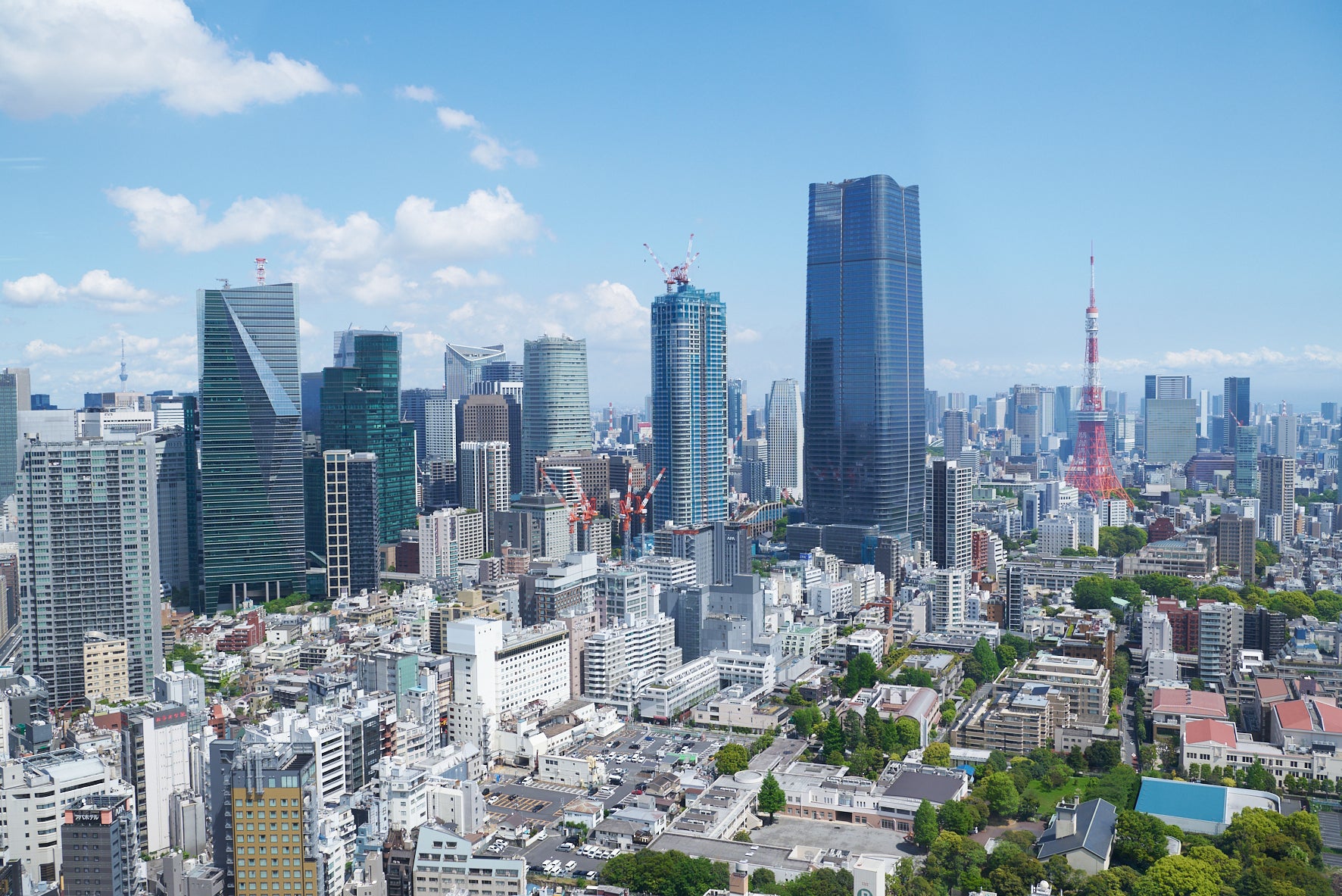
Takaya: Me too! J-WAVE is located in Roppongi Hills, and I really wanted to see people who normally live in welfare facilities actually come here and record with us. I'm excited that we can create this wonderful scene together from now on.
text Chise Akasaka / photo Jozo Suzuki
Podcast: HERALBONY TONE FROM MUSEUM - An Audio Museum - now available for free streaming
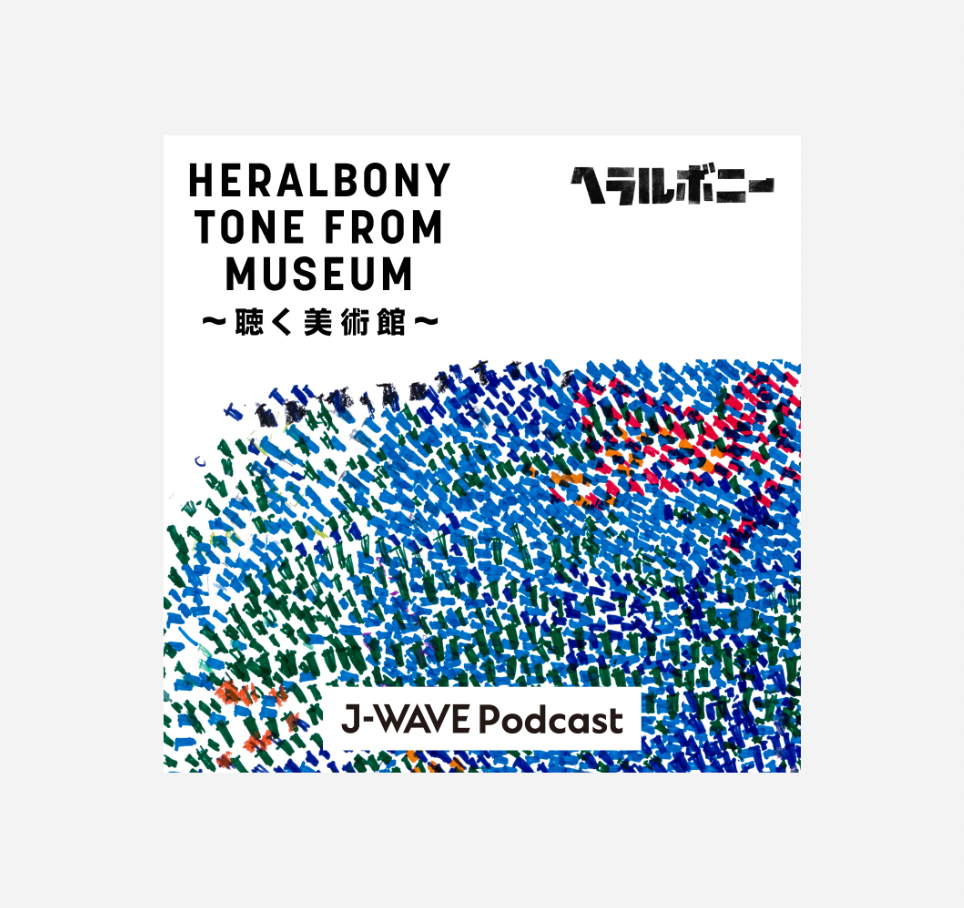
This program, based on the concept of "The Story of Exceptional Artists Imagined from Art," invites you to listen to art and delve into the personality and life journey of the "exceptional artist" glimpsed through their works.
The show is hosted by Sara Ogawa, an actress, filmmaker, and writer, and Takaya Matsuda, President and CEO of Heralbony. Each episode features a different Heralbony-contracted artist, with the intellectually disabled artist themselves, their family, and staff from their welfare facility joining as guests.
New episodes are released every Sunday on Apple Podcast, Google Podcast, Spotify, and Amazon Music.
You can also enjoy past episodes for free.