

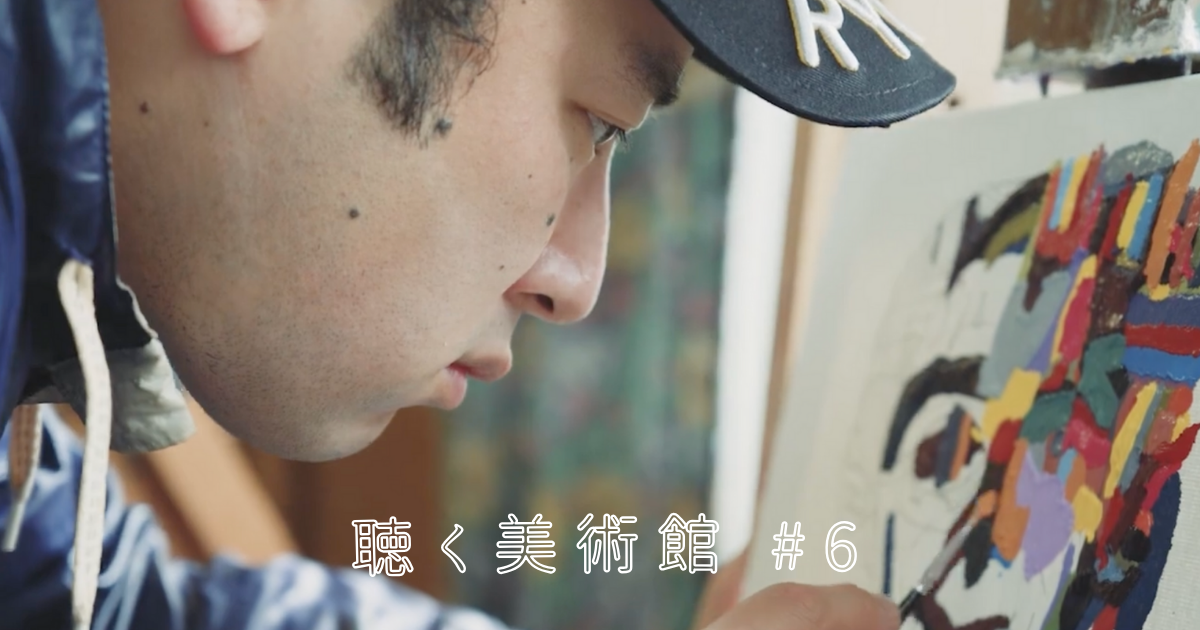

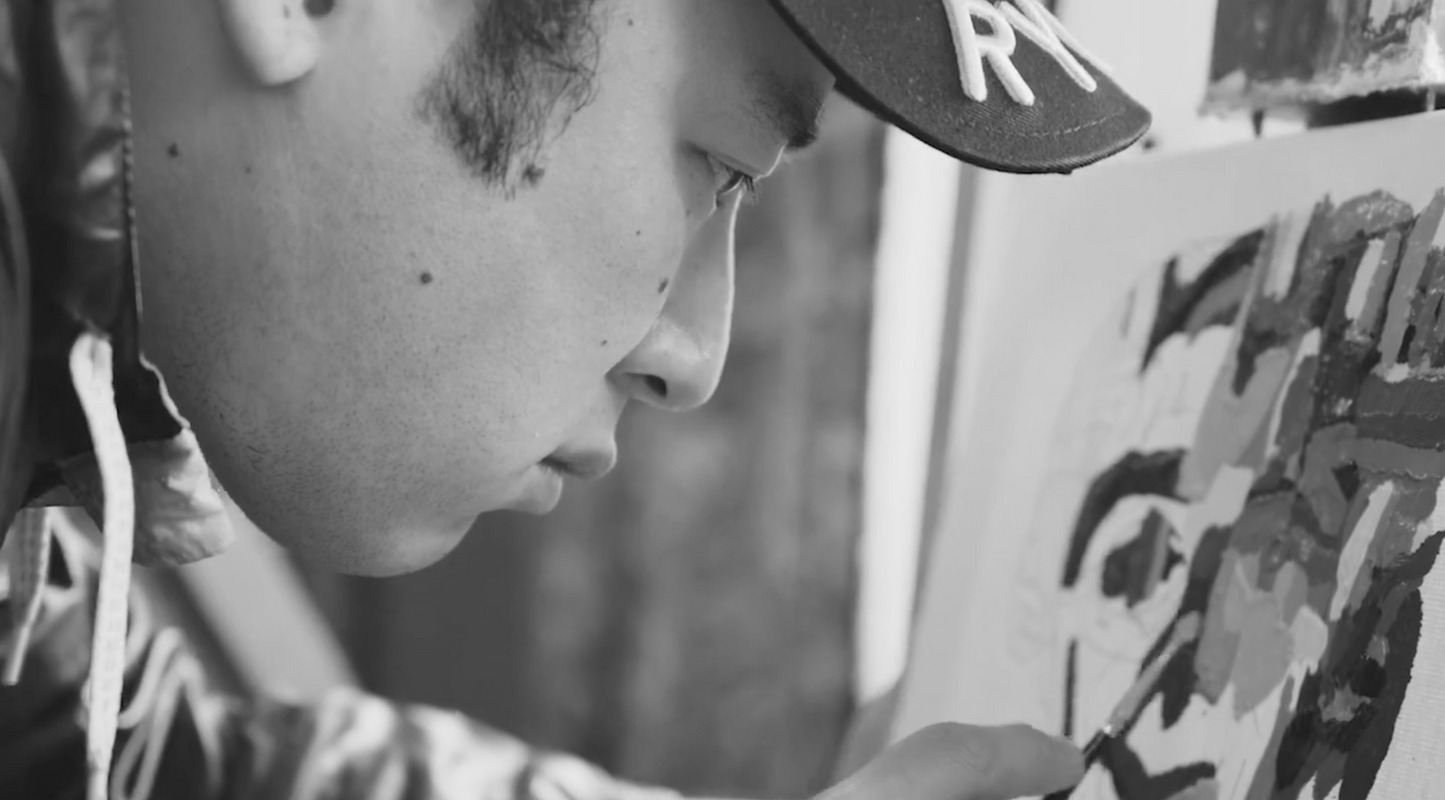
Keisuke Mori's colors breathe new life into record jackets. "The Listening Museum #5"
“HERALBONY TONE FROM MUSEUM ~A Museum for Your Ears~” is a podcast that focuses on the contracted artists of HERALBONY, a welfare experimental unit launched this spring.
The podcast is hosted by Sara Ogawa, an actress, filmmaker, and writer, and Takaya Matsuda, CEO of HERALBONY. Together, they attentively explore art, delving into the personalities and life stories of the "exceptional artists" whose work they discover.
This episode's guests are Keisuke Mori, an exceptional artist who skillfully expresses light, shadow, and color using record jackets as his motif, and Mr. Murabayashi, the director of "Kibou no Sono" (Garden of Hope), which was the catalyst for Mori's current artistic style. Fumito, Takaya's twin brother and the vice president, also joined the discussion.
#Record Sleeves
Ogawa: Today, we have Mr. Keisuke Mori himself and Director Murabayashi joining us online.
Mori: Hello everyone!
Ogawa: So full of energy! Thank you.
Takaya: You're energetic, Mr. Mori! What's up?
Director Murabayashi: Are you excited today?
Mori: I'm going to do my best today!
Fumito: Thank you.
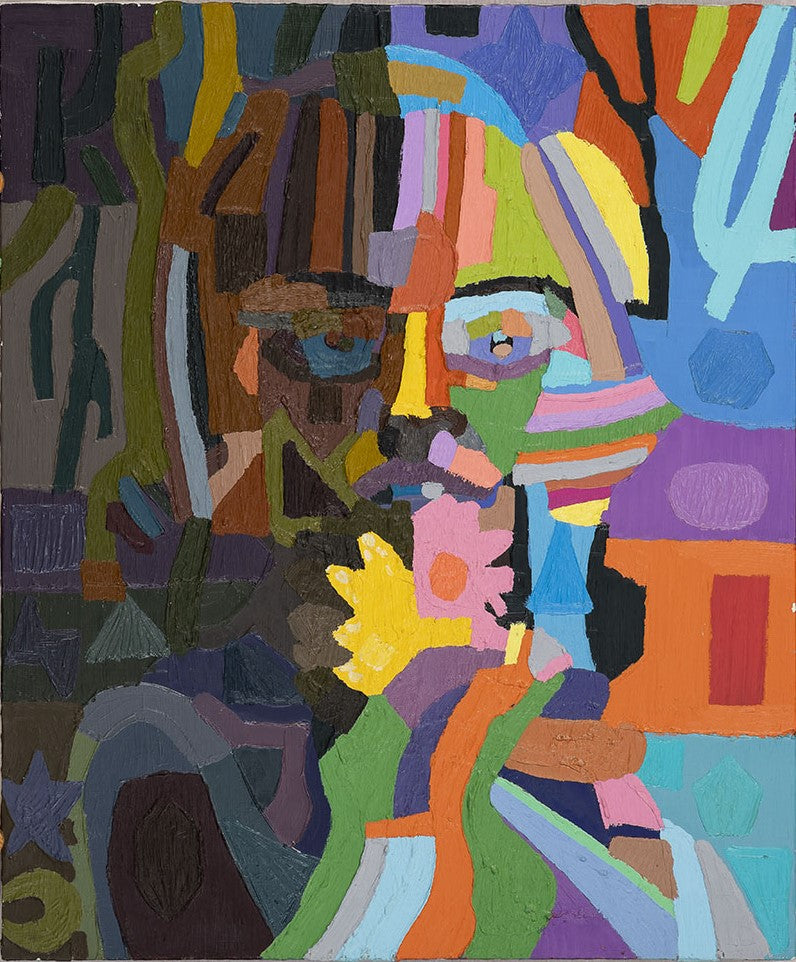
Keisuke Mori: "Someone Loves Someone"
Ogawa: Thank you very much! I saw Mr. Mori's paintings, and they are truly colorful and wonderful. You always paint record jacket art, don't you?
Mr. Mori: Yes!
Ogawa: Why record jackets?
Mr. Mori: Because they're cool!
Ogawa: So, the records were in your "Garden of Hope," and that's when you started painting them?
Director Murabayashi: That's right. The landlord of the atelier is a record collector. I also started collecting them because of him, so there are a lot of records here. I don't know when, but Mr. Mori started picking from them and saying, "I'm going to draw cool people."
Ogawa: Do you listen to records yourself, Mr. Mori?
Mr. Mori: I have a record player at home, but it's not being used now!
Takaya: I see.
Ogawa: Is it the visual aspect? Attracted by the coolness?
Director Murabayashi, do you remember when he started painting records?
Director Murabayashi: Yes. Keisuke was born in 1989 and has been painting at my atelier since he was in sixth grade. Back then, he used to paint on drawing paper with watercolors, quite normally.
Ogawa: What did he paint?
Mr. Mori: Uhm, fruit, I think?
Ogawa: Oh!
Takaya: I'd like to see that. What was his style like? Was it a colorful worldview that looked as three-dimensional as it does now?
Director Murabayashi: While very pure, he painted quite normally and cutely.
Mr. Mori: (Grinning widely on screen)
Takaya: Excuse me, I'm connected with Mr. Mori online right now, and he's smiling so, so broadly that I just had to mention it (laughs).
Fumito: What a lovely smile, Keisuke!
Mr. Mori: Yes!
Takaya: It somehow energizes me too.
Ogawa: It certainly does! You mentioned that his style was originally different. How did it change to his current style?
Director Murabayashi: He asked, "How can I draw well?"
Ogawa: Oh!
Director Murabayashi: So I said, "Why don't you use bright colors for bright areas and dark colors for dark areas?" and that's how it became what it is now.
Takaya: I see! Sara, I think you'll understand when you see it in person, but in his works, the right side of the face is often depicted with very bright light, while the left side is dark, creating a sense of shadow. And even within the black color alone, he uses three or four different types of black, so his shading is very delicate.
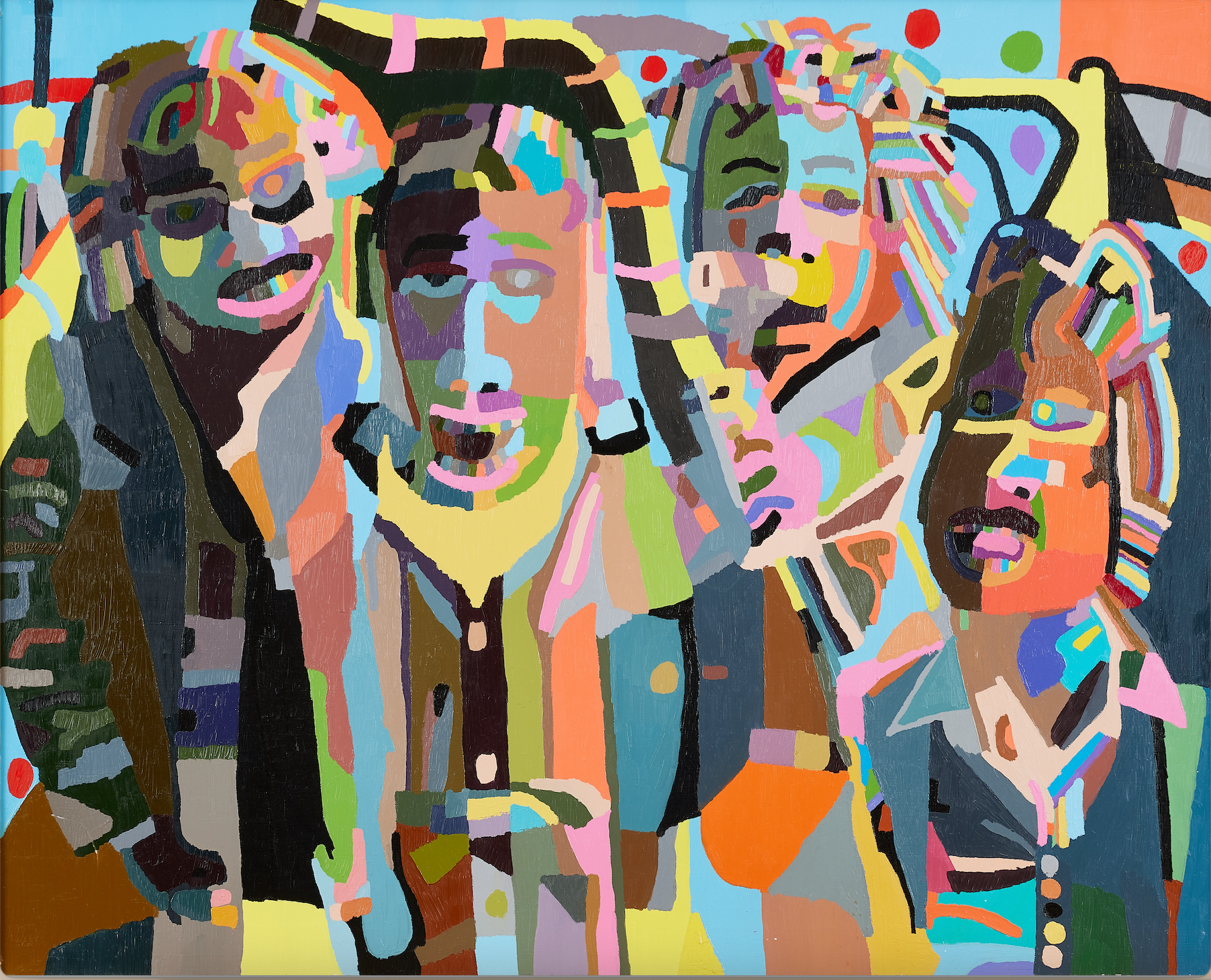
Keisuke Mori "Let it be"
Ogawa: Oh, really! I heard that Mr. Mori takes a long time to create his colors. How do you usually make them?
Murabayashi (Director): How do you make your colors?
Mori: I mix them to create a single color!
Ogawa: Wow! It takes a lot of time to make them, doesn't it?
Murabayashi (Director): That's right. He might spend more time touching the palette than applying paint to the canvas.
Bunto: Oh, really!
Murabayashi (Director): He kneads the paint for about 20 minutes straight.
Takaya: So, Mr. Mori is very particular about creating colors, isn't he?
Murabayashi (Director): Yes. Even drawing a single straight line takes about 40 minutes.
Bunto: What, 40 minutes!?
Ogawa: So, how long does it take to create a painting like this record jacket?
Murabayashi (Director): It's incredible. Smaller works take more time. Conversely, the smaller they are, the more detailed they become. So, sometimes it takes over a year to complete one piece. For larger sizes, like 20 or 30-gou, it might take about three months.
Bunto: I see.
Ogawa: When you paint, you don't just copy the original record jacket, but you change it with your own use of colors, right? Are the colors you use your favorite colors?
Mori: I like various colors. There are many colors I use!
Takaya: What kind of colors do you like?
Mori: Uh, red, blue, green, yellow, pink, white...
Takaya: That's a lot!
Bunto: It seems like there's more.
Mori: And...
Bunto: See!
Murabayashi (Director): Do you like all of them?
Mori: Yes, even gold and silver!
Ogawa: That's great! Do you like the time you spend making various colors for about 20 minutes like that?
Mori: Yes!
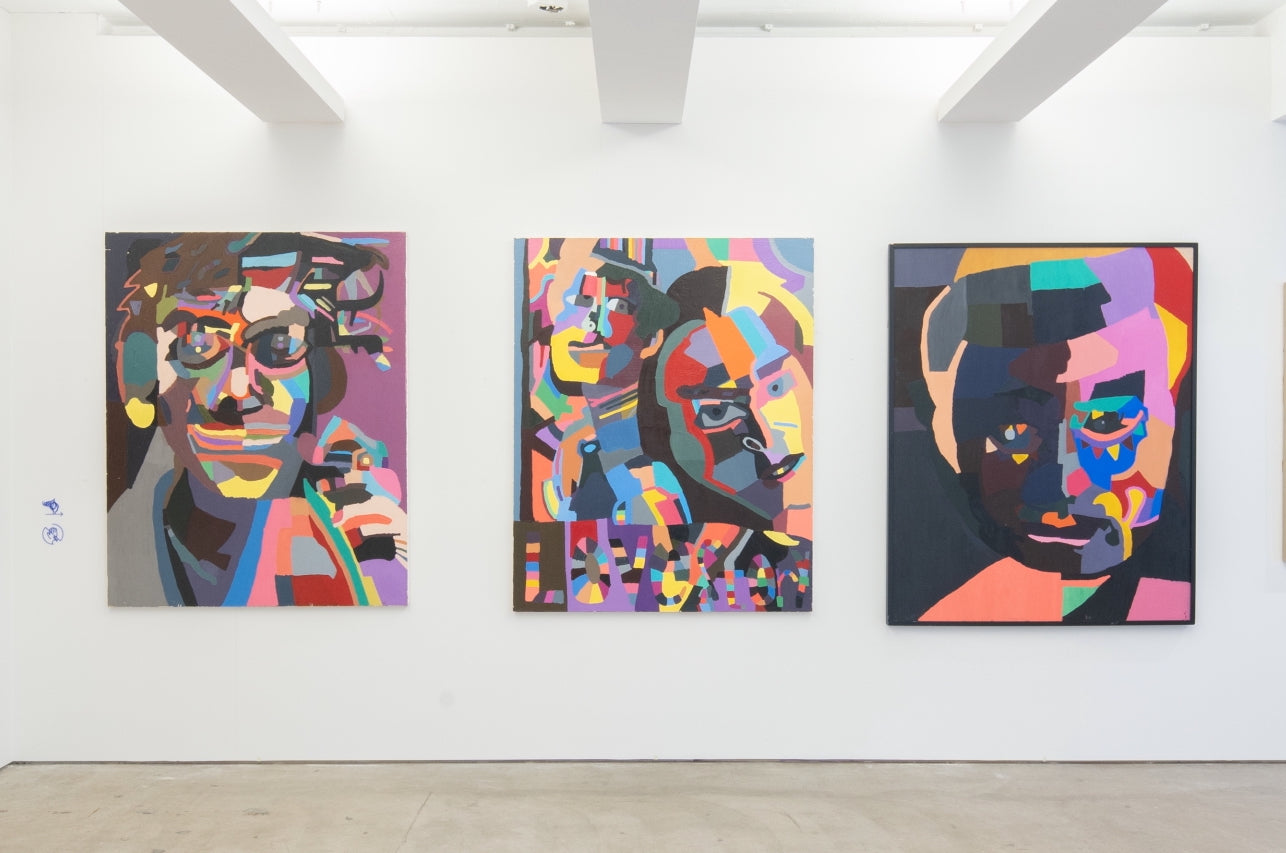
Takaya: Actually, Mr. Mori was also involved in Heralbony's recruiting.
Ogawa: Oh! How so?
Takaya: When we held the Keisuke Mori exhibition at Heralbony's Morioka gallery, there was a woman who came all the way from Tokyo to our gallery in Iwate to buy a piece of art, saying, "I want to buy some art to celebrate turning 30." She's now working for us. Her name is Megumi Kobayashi.
Ogawa: Amazing!
Fumito: She wanted Mr. Mori's work, bought her first ever piece of art from Heralbony, and even joined the company.
Takaya: Mr. Mori, a person named Ms. Kobayashi bought your painting and joined our company. Thank you.
Mr. Mori: I'm happy!
Takaya: Mr. Mori, you look very happy, too!
Ogawa: How do you always choose which record jackets to paint?
Murabayashi (Director): Record jackets, what criteria do you use to choose them?
Mr. Mori: Hmm, I always have trouble deciding which ones to paint!
Takaya: So you do struggle. Do you mostly choose things you like, while struggling a bit?
Mr. Mori: Yes!
#Book Off!
Ogawa: Do you spend most of your day painting?
Murabayashi (Director): Mori-san is employed in a regular job, so on weekdays, he works at a supermarket cutting meat.
Ogawa: Oh, really!
Murabayashi (Director): So, on weekdays, he comes to "Kibo no Sono" once a week from around 3 PM, and he's here all day on Saturdays, from morning till evening.
Takaya: I see. Mori-san is truly diligent, truly wonderful. There was a time when we held a Heralbony exhibition at a department store in Nagoya, and everyone from "Kibo no Sono" came to visit. And then, Mori-san tried to help with the cashier work! It was a great help given the staff shortage, thank you (laughs).
Mori-san: I love working the register!
Fumito: You love working the register, don't you? Thank you for eagerly helping us.
Takaya: It's truly a great help.
Ogawa: I heard that Mori-san has many things he likes besides painting. What kinds of things do you like?
Murabayashi (Director): What kinds of things do you like?
Mori-san: Showing the displayed paintings to customers!
Ogawa: Getting customers to see them? I also heard you like all-you-can-eat places and other things.
Takaya: Hehehe, that's nice. What do you like besides painting?
Mori-san: Me?
Murabayashi (Director): Yes.
Mori-san: Things I like... Ah, Book Off!
Ogawa: You like Book Off! Why do you like it?
Mori-san: Because they sell books, video games, CDs, and DVDs.
Ogawa: Oh, really!
Murabayashi (Director): If you're going to sell books...
Mori-san: Book Off!! (In the tune of the commercial song)
Everyone: (laughs)
Takaya: Oh, we got a commercial in there (laughs). When we held an exhibition in Tokyo, Mori-san apparently even went to a Book Off in Tokyo. You go to Book Offs all over the country, don't you?
Murabayashi (Director): Do you go to them all?
Mori-san: Uhm, well... (joking around through the screen)
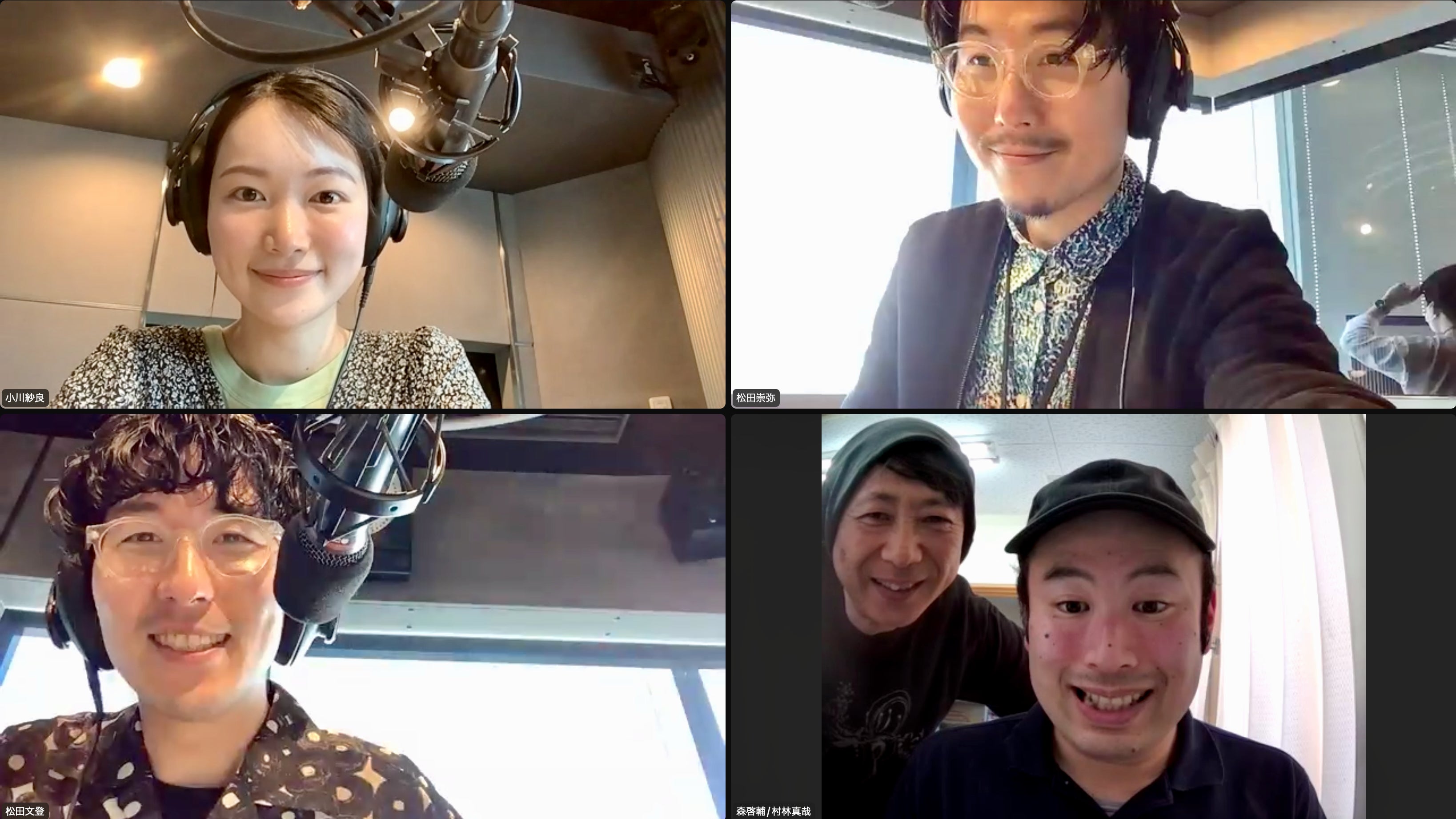
Everyone: (laughs)
Bunto: Hey! No more making funny faces! (laughs)
Mori-san: Um, well… (muttering quietly) Maybe…
Everyone: (laughs)
Mori-san: Wataraibashi and Matsusaka.
Takaya: So there are Bookoffs in Wataraibashi and Matsusaka in Mie too.
Bunto: Is that your most "recommended" Bookoff?
Mori-san: Yes.
Bunto: I heard you also like recycle shops. Do you like buying things there, or just looking?
Mori-san: I look and I buy!
Bunto: I see. Have you bought anything recently there that you particularly like?
Murabayashi (Director): What have you bought recently?
Mori-san: Bought what?
Murabayashi (Director): Yeah.
Mori-san: Books, toys, game software, things like that.
Bunto: Oh, nice.
Ogawa: You like games? You mentioned it earlier too.
Mori-san: I like Super Famicom!
#CuteHikaru-chan
Ogawa: Is she someone who's at the same facility? I heard that Keisuke has a friend named Hikaru-chan. Mr. Mori, what kind of person is Hikaru-chan?
Murabayashi (Director): Oh, oh (laughs).
Mori: Hikaru-chan?
Murabayashi (Director): What kind of person is she? What kind of person is Hikaru-chan?
Mori: Hikaru-chan is a girl.
Ogawa, Takaya, Bunto: Ohhh!
Murabayashi (Director): What do you think of her?
Mori: She's cute!
Ogawa: Do you often get along?
Mori: Yes!
Takaya: That's nice! Has Hikaru-san ever seen your artwork, Mr. Mori?
Mori: Seen my artwork? Hmm, I'm not sure if she has or hasn't...
Murabayashi (Director): No, you draw in the same studio, don't you?!
All: (Laughs)
Takaya: Ah, so she's someone who draws in the same studio!
Murabayashi (Director): You always eat snacks together, right?
Mori: In the morning, yes. I always go after I finish eating.
Ogawa: Mr. Murabayashi, what's the relationship like between Keisuke-san and Hikaru-san?
Murabayashi (Director): It seems he's quite interested in her as a woman. Oh, that reminds me, yesterday we were doing some preparations for today's recording.
Takaya: Thank you.
Murabayashi (Director): Because of that, he was late getting to the studio. And Hikaru-chan was waiting for Mr. Mori the whole time.
Bunto: Oh!
Murabayashi (Director): But there wasn't enough time, so Hikaru-chan ended up going home by herself. Then Mr. Mori kept saying, "They made me do unnecessary work!" "Hikaru-chan went home, what am I going to do?!" (laughs).
Takaya: Oh, Mr. Mori!
Murabayashi (Director): He kept saying, "What should I do, what should I do, oh, Hikaru-chan went home. What if she's angry?" So I called her.
Takaya: You called her, Mr. Murabayashi?
Murabayashi (Director): Yes. And when I called, (Hikaru-chan) said, "I'm not angry." And that's how they became good friends, right?
Mori: Yes!
Murabayashi (Director): (To Mr. Mori) I'm sorry about that! Really! (laughs)
Takaya: So you couldn't meet Hikaru-chan because of the meeting for this radio show, right? I'm so sorry, that was very rude of us (laughs). She must be very important to you.
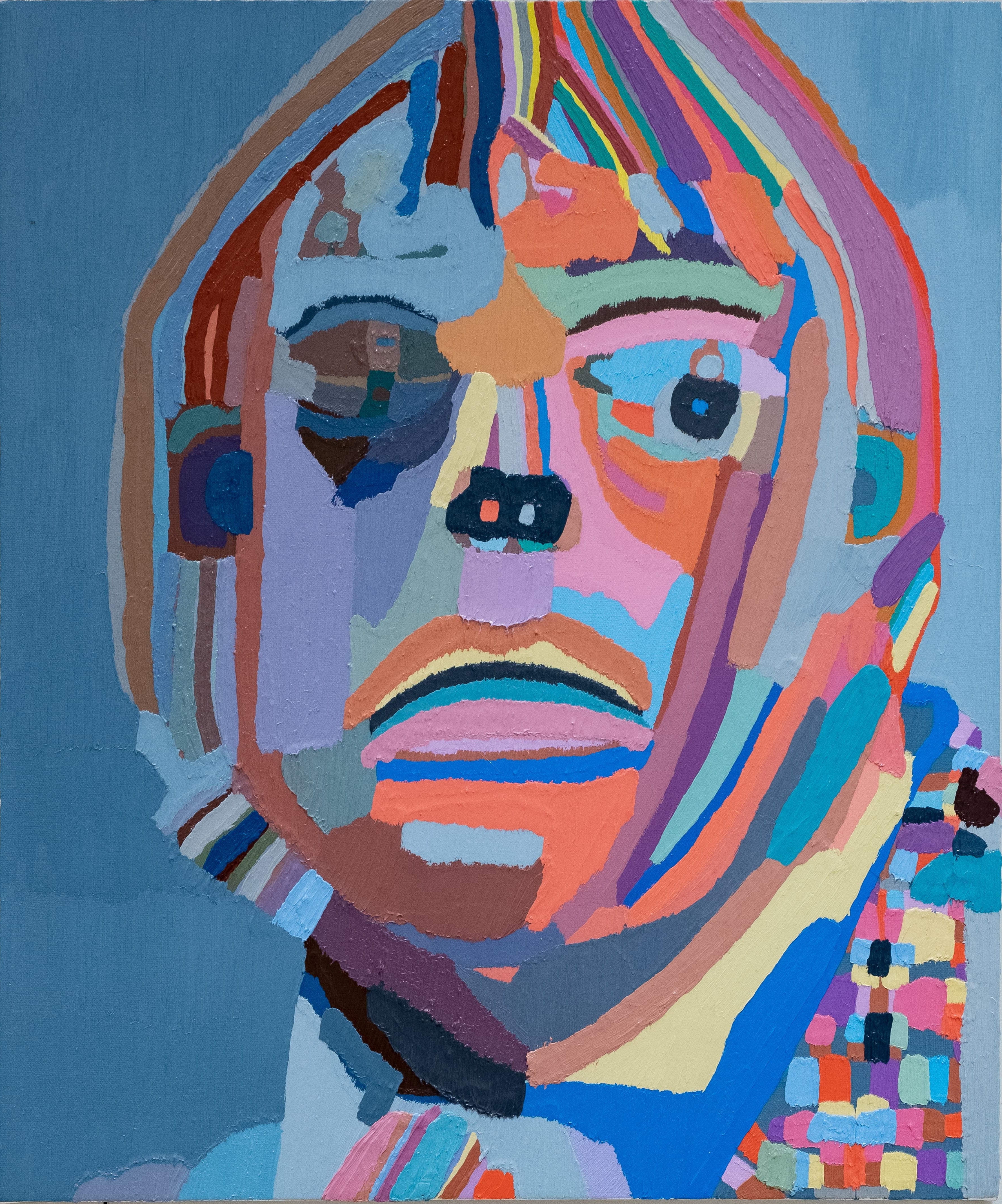
Keisuke Mori "Ballad of Youth"
Ogawa: Outside of the time he spends drawing, do you have any memorable moments interacting with Keisuke, Murabayashi-san?
Murabayashi (Director): For example, on Saturdays, we sometimes go out to eat lunch together, and when he's drinking soup, whether it's miso soup, ramen, or udon.
Ogawa: Uh-huh.
Murabayashi (Director): He closes his eyes.
Takaya: He's savoring it!
Murabayashi (Director): He savors it. And he always says, "Haaah~~fu!"
All: (Laughter)
Takaya: He's a gourmand!
Ogawa: The person who made it must be happy too, to have it enjoyed that much.
Murabayashi (Director): Among his favorite things is also "more rice!"
Ogawa: Keisuke-san, you like more rice?
Mori-san: Yes!
Fumito: Among all that, what's your absolute favorite food?
Murabayashi (Director): What's your favorite food?
Mori-san: My favorite food is fish.
Ogawa: Oh, fish, huh. How do you like to eat fish?
Mori-san: Grilled, simmered, or fried.
Takaya: In various ways.
Mori-san: Yes!
Ogawa: It really comes across that you have a lot of things you like!
Fumito: If you see Mori-san's work in person, I think you'll really grasp his uniqueness.
Ogawa: No, really, Mori-san's paintings are...
Mori-san: Yes!
Takaya: He answered. Thank you!
Mori-san: Thank you very much!
All: (Laughter)
Ogawa: Hehe! Mori-san's works are really cool, aren't they!
Takaya: There was an exhibition at Hankyu Umeda the other day, and one of Mori-san's artworks, worth over a million yen, was sold. When Mori-san actually met the buyer, he also said a big "Thank you very much!" just like he does now. By the way, that painting is currently displayed in a villa overseas, entertaining guests from various countries, which is amazing. I'm very grateful.
Fumito: Mori-san, your work has crossed the ocean!
Mori-san: Really!!!
Fumito: Yes!
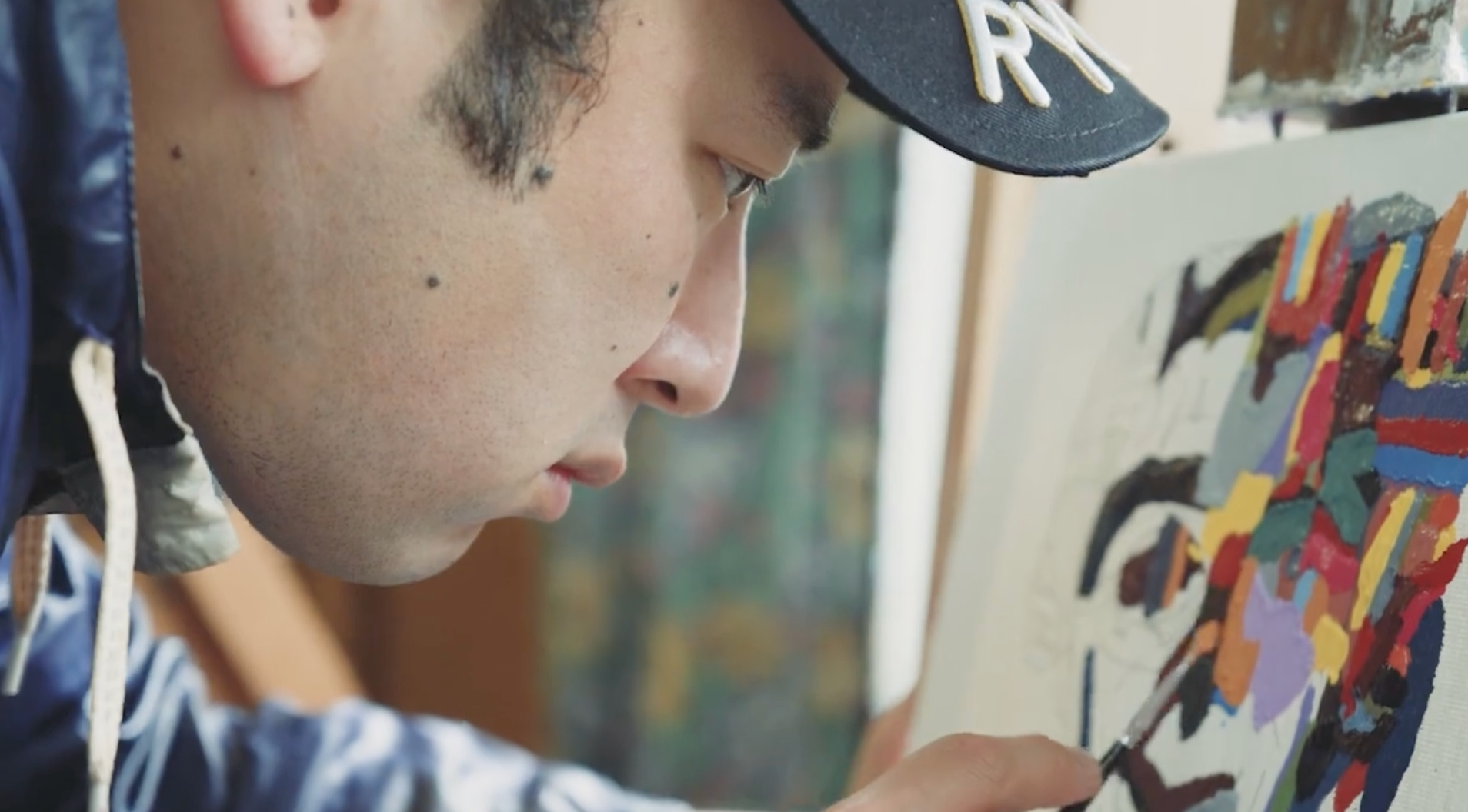
Ogawa: Mr. Mori, what is the hardest thing you work on when you draw?
Mori: Hmm… (Silence for a while) I choose a record jacket and then I draw the picture.
Takaya: What do you enjoy most when you're drawing?
Mori: Drawing?
Murabayashi (Director): What do you enjoy about drawing?
Mori: Before I draw with a pencil, I put on white paint.
Fumito: So you apply white paint all over and then add colors, is that right?
Mori: No, no, I draw with a pencil.
Takaya: Oh, I'm sorry.
Murabayashi (Director): He primes it with white and then draws the shape with a pencil.
Ogawa: So the base layer is what you enjoy the most?
Murabayashi (Director): Do you enjoy the base? Or the pencil?
Mori: I prime it with white paint, and then I draw with a pencil.
Ogawa: Oh, that's what you enjoy. That's a bit surprising!
Fumito: So it's making the initial foundation. That must be exhilarating!
Ogawa: I hope everyone can imagine that process when they see the pictures directly. So, Mr. Mori, Mr. Murabayashi, thank you very much for your valuable stories today.
Mori: Thank you very much!!
Murabayashi (Director): Thank you very much.
Ogawa: From beginning to end, Mr. Mori's greetings and words of thanks were truly pleasant, and they really energized me. Thank you very much!
Takaya: I'm sorry to ask this when we're almost done, but Mr. Mori, if you'd like to do something with Heralbony in the future, or if there's any work you'd like to try, we'd love to hear it! What would you like to do with Heralbony?
Mori: An exhibition!
Fumito: An exhibition! Let's do it! You mean like a "Keisuke Mori Exhibition," right?
Takaya: You've had one in Iwate, so where would you like to have the next one?
Mori: Tokyo!!
Takaya: Thank you. So a solo exhibition in Tokyo! We'll do our best too.
Fumito: And Mr. Mori, you'll have to work hard on new pieces for it! We look forward to it.
Mori: Yes, I'll do my best! I look forward to it!!
Takaya & Fumito: We look forward to it!
Ogawa: Someday, we might be able to see Mr. Mori's paintings in Tokyo again.
Mori: Hooray!!
Ogawa: I'm looking forward to it too! So, thank you both very much!
Mori: Thank you very much!!!
Murabayashi (Director): Thank you very much!
Takaya & Fumito: Thank you very much!
Ogawa: And Mr. Fumito, thank you for today as well.
Fumito: Thank you! (To Takaya) I'm often told my voice sounds the same as his, so I apologize for the confusion (laughs).
Ogawa: No, no, thank you. Mr. Takaya, we look forward to next time.
Takaya: I look forward to it.
text Chise Akasaka
Keisuke Mori
He began creating art in the studio at age 12 and has been painting in oils since age 17. From the vast collection of record jackets stored at the facility, he selects one that he finds "cool" and appealing to paint. While he sometimes creates large-scale works such as F100 size, an immense amount of time is dedicated to each piece, as he spends 20 minutes mixing a color and 40 minutes drawing a 20 cm line. His distinctive color compositions, characterized by striking contrasts of light and shadow, were conceived and established with advice from his mentor, Director Murabayashi. He begins working early every morning, greeting visitors with a cheerful welcome whenever the studio door opens. His hobbies include video games and browsing recycle shops.

Podcast "HERALBONY TONE FROM MUSEUM: An Audio Museum" Now Available for Free Streaming
This program, with the concept of "The Story of a Unique Artist Imagined from Their Art," listens to the art and delves into the personality and life journey of a "unique artist" seen through their work.
The program is hosted by Sara Ogawa, an actress, filmmaker, and writer, and Takaya Matsuda, CEO of HERALBONY. Each episode features a HERALBONY contracted artist, with the artist with intellectual disabilities, their family, and representatives from welfare facilities invited as guests.
It is available every Sunday on Apple Podcasts, Google Podcasts, Spotify, and Amazon Music.
You can also enjoy past episodes for free.